
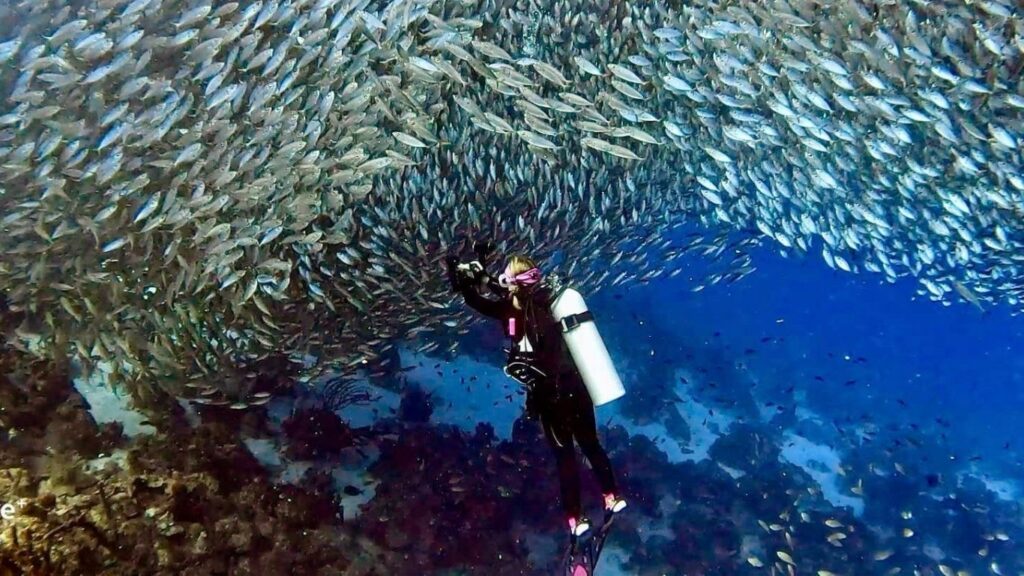
Bonaire is one of those places that makes you want to take advantage of every dive opportunity.
Boat dives in the morning. More tanks available through the afternoon. You came a long way to be here. The water is calm. The vis is exceptional. You think: I could fit in one more.
That moment is going to happen, and probably more than once.
Most divers do well with two to four dives a day in Bonaire, depending on experience level and how well they manage surface intervals. Three is a strong baseline for most skill levels. Four is a ceiling for experienced divers, not a daily target for anyone. What matters more than the number is whether you are paying attention to what your body is asking for along the way.
But the math is not the right question. What your body is asking is something different, and learning to hear it underwater is one of the most useful things you can take home from a week in Bonaire.
What Nitrogen Loading Means for How You Dive
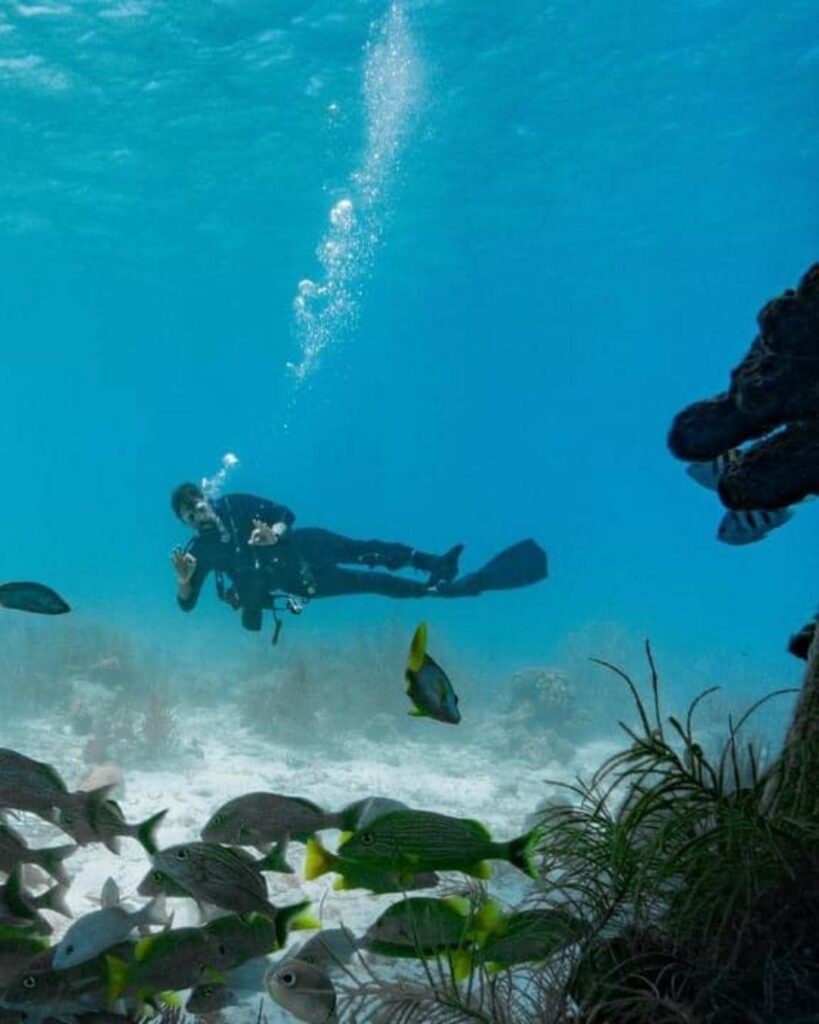
Every dive leaves nitrogen dissolved in your tissues. That is not a problem; it’s just physiology. Your body clears it during surface intervals, and most of that clearing happens while you sleep.
The issue is accumulation. When you dive again before the nitrogen from the last dive has cleared, the new dive starts at a higher baseline. Stack four dives in a day without adequate surface time, and by dive four, your body is working harder, your bottom time is shorter by the tables, and the margin for error is much narrower.
This is nitrogen loading, and it is not theoretical. It is measurable and compounds over multiple days of diving. DAN’s research on repetitive diving confirms that cumulative exposure over multiple days is the most significant risk factor, far more than any single dive in isolation.
Fatigue then compounds it further. Dive fatigue is not just being tired. It affects your ability to equalize, manage buoyancy, process what you are seeing, and make quick decisions. A fatigued diver is not a safer diver, no matter how experienced she is. She is a diver with slower reflexes and a mind that has started to tune out.
In my experience leading multiday dive trips, by day three or four of a four-day trip, that accumulation becomes noticeable.
How Many Dives a Day in Bonaire: A Practical Guide
Here is a clean framework that outlines recommended dives a day in Bonaire based on experience level and supported by research and dive tables.
| Experience Level | Recommended Dives a Day in Bonaire | Notes |
|---|---|---|
| Beginner divers (0–20 dives), refresher divers, or nervous divers | 2 dives | Maximum absorption, minimum loading. The best dive of the trip often happens on day three when the nerves have settled. |
| Intermediate divers (20–100 dives) | 3 dives | A morning boat dive, a second boat dive, and one guided afternoon session if conditions and energy support it. |
| Experienced divers (100+ dives) | 3 to 4 dives | Four is a ceiling, not a target. Surface intervals matter more than the count. |
The honest answer to “How many dives a day in Bonaire is safe?” Three well-spaced dives with solid surface intervals will serve you better than four rushed ones. Every time.
The Pressure Nobody Warns You About
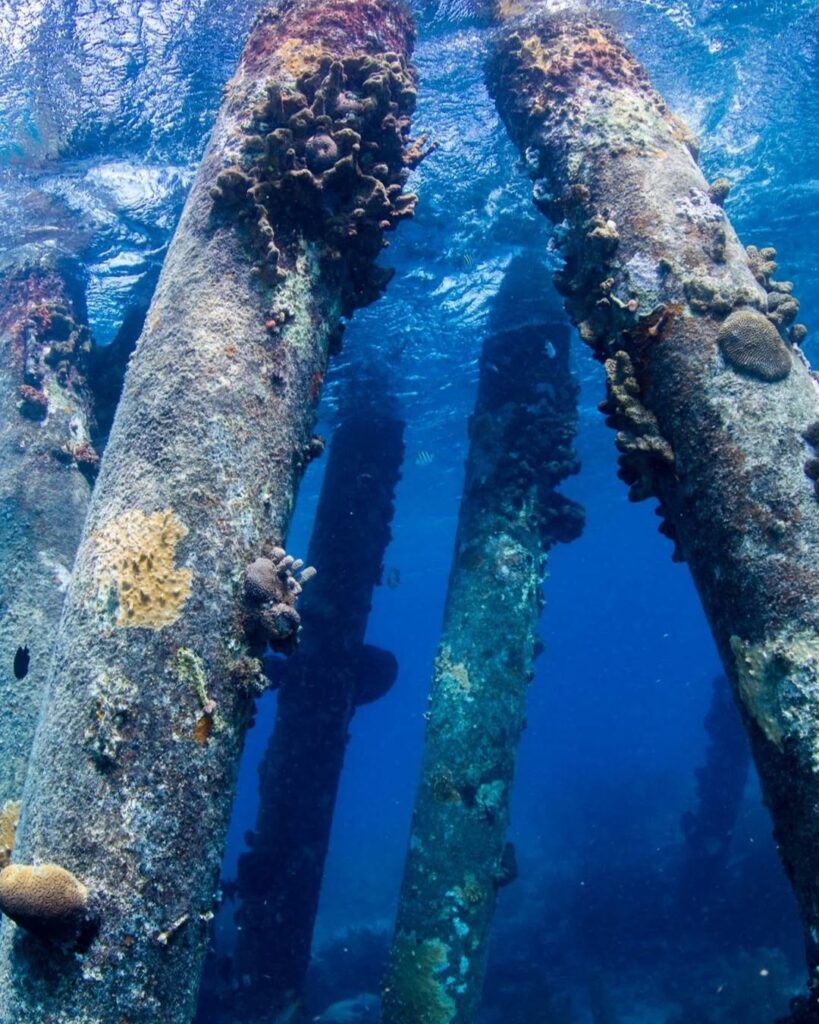
Sites like Salt Pier make it easy to want “just one more dive,” but the quality of your experience depends on knowing when your body has already had enough for the day.
Bonaire’s accessibility is part of its appeal. Tanks are plentiful, and for some divers, that is a dream. For others, it becomes a quiet pressure they did not see coming. When tanks are available, an unspoken accounting kicks in. You feel like you should dive as much as possible to justify the trip, the cost, and the time you carved out. Doing fewer dives can feel like leaving something on the table.
It is not. The woman who does two unhurried boat dives and spends the afternoon watching the light change on the water has not wasted anything. She has taken in something the woman on her fifth dive of the day can no longer access, because her body is saturated and her nervous system is done.
The data backs this up. Conservative profiles and longer surface intervals produce better diving, especially as we get older. Standard dive tables were built around male physiology, which means your body may be processing nitrogen differently than those tables assume.
That is not a weakness. It is how your body works, and working with it is smarter than pushing past it.
What Scuba Fatigue Looks Like And Why It Takes Time to Notice
Dive fatigue does not typically show up in big ways, and by the time most women notice it, they are already past the point where another dive makes sense.
The first sign is usually mental. You are in the water, but your attention keeps wavering. You notice you have been watching a fish for a few seconds without registering it. The quality of presence that made earlier dives feel clear and alive has worn thin.
The second sign is physical efficiency. Dives that used to leave you with 800 psi are now ending at 600 psi. Your breathing has gotten less organized without you making any decision to change it. Your buoyancy is technically fine, but you are expending more effort to maintain it than you were in the morning.
The third sign is equalization. If your ears are working harder on dive four than they did on dive one, your body has something to say that’s worth listening to.
None of these signals means stop diving forever. They mean stop diving today. Eat something, drink water, get horizontal, and let the nitrogen clear. Tomorrow’s dives will be better for it.
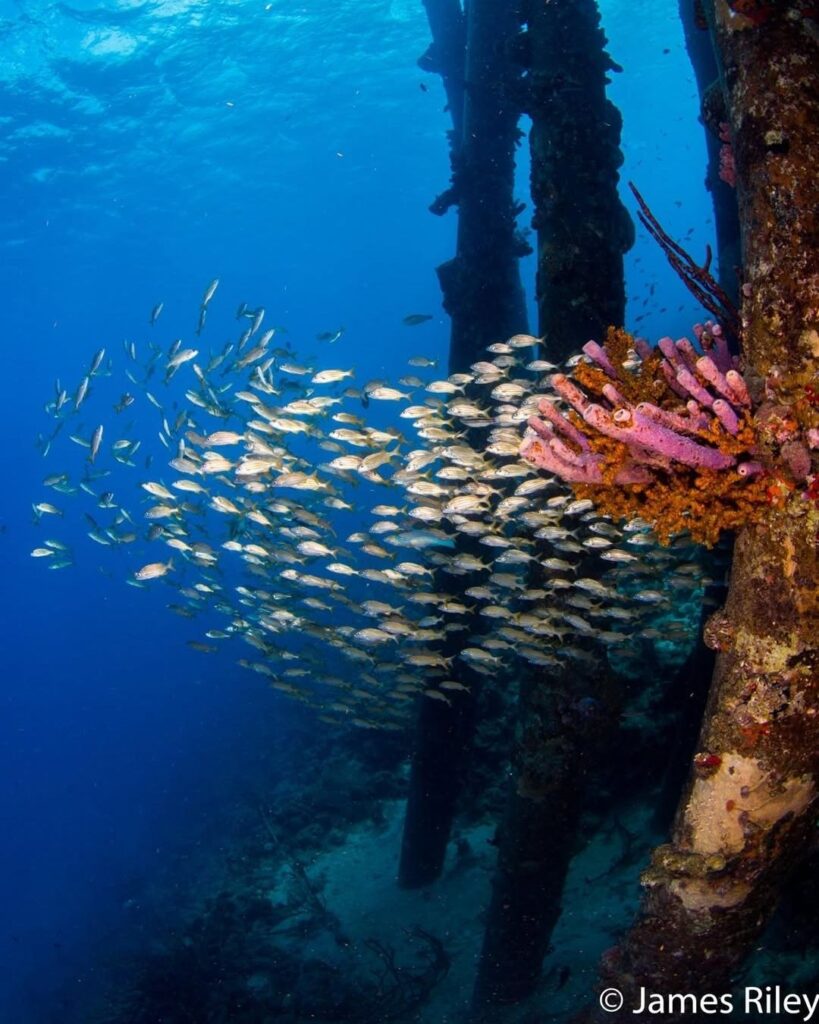
With proper recovery time between dives, Bonaire’s reefs stop feeling like something you rush through and start becoming something you truly notice.
How the Rise & Dive Trip Structure Handles the Number of Dives a Day in Bonaire
The Rise & Dive Bonaire trip schedule is built with your body in mind. Our boat diving program gives the week a solid daily structure, and I plan the itinerary with recovery built in. Surface intervals are not squeezed or rushed. They are part of the design because the quality of what you experience underwater matters more than the quantity of times you get there. You came a long way for this week. I want you to feel and enjoy it fully, not just survive it.
What You Take Home Has Nothing to Do With Tank Count
The women who changed for the better after leaving Bonaire are not the ones who logged the most dives. They are the ones who showed up fully for the dives they did. The ones who noticed when their body was asking for rest and chose to listen. The ones who discovered that the skill of paying attention underwater is not something you leave at the surface when you climb back on the boat.
That is what our Bonaire dive trip is designed to give you space to find. Not a packed schedule. Not a race to the bottom. A week in the water, led with intention, paced for presence.
If that is what you are looking for, Women in Scuba Empowered (WISE) is where the conversation starts. It is a private community of women divers within the Rise & Dive℠ ecosystem, where trip information, dive support, and connection with women who get it all live in one place.
With calm seas ahead,

Frequently Asked Questions
How many dives a day in Bonaire can you do safely?
Most divers do well with 2 to 4 dives per day, depending on experience and surface interval length. Three well-spaced dives with adequate hydration and time out of the water is the right guideline for most skill levels. Four is a ceiling, not a daily target, and back-to-back four-dive days across a full week accumulate nitrogen loading faster than most divers expect.
Is four dives a day in Bonaire is too many?
Four dives a day is within the safe range for experienced divers who space them out properly and get enough sleep. But for most recreational divers, especially those returning to diving or over 50, three dives with full surface intervals will produce a better week.
What is nitrogen loading, and why does it matter?
Nitrogen loading refers to the accumulation of dissolved nitrogen in your tissues across multiple dives. Each dive adds to it, and it only clears during surface intervals and sleep. When loading builds up over several days of intensive diving, it shortens safe bottom times, increases decompression risk, and contributes to dive fatigue. Conservative dive profiles and genuine rest time between dives are the most effective way to manage it, particularly on multi-day trips.
Does scuba diving over 50 require a different recovery time?
Research supports more conservative dive profiles for divers over 50, with particular attention to surface interval length and hydration. This is not about limitations. It is about working intelligently with your body’s nitrogen processing and fatigue management. Divers in this range who pace themselves tend to have consistently better dives throughout a week than those who push maximum daily dive counts.
