
Every woman planning a dive trip to Bonaire has to answer the same question at some point. Do I need a dive guide in Bonaire?
It sounds like a logistics question. But that’s not all there is to it. Underneath the question is usually something more personal: a nagging doubt about whether your skills are solid enough, whether you will feel supported out there, whether wanting help means something unflattering about where you are as a diver.
This post is here to help answer both sides of the question. The practical side of what Bonaire actually requires, what a guide adds, what the checkout dive process looks like, and the question that tends to sit underneath the practical one, which has everything to do with self-trust and almost nothing to do with dive site access.
What the Question Is Actually Asking
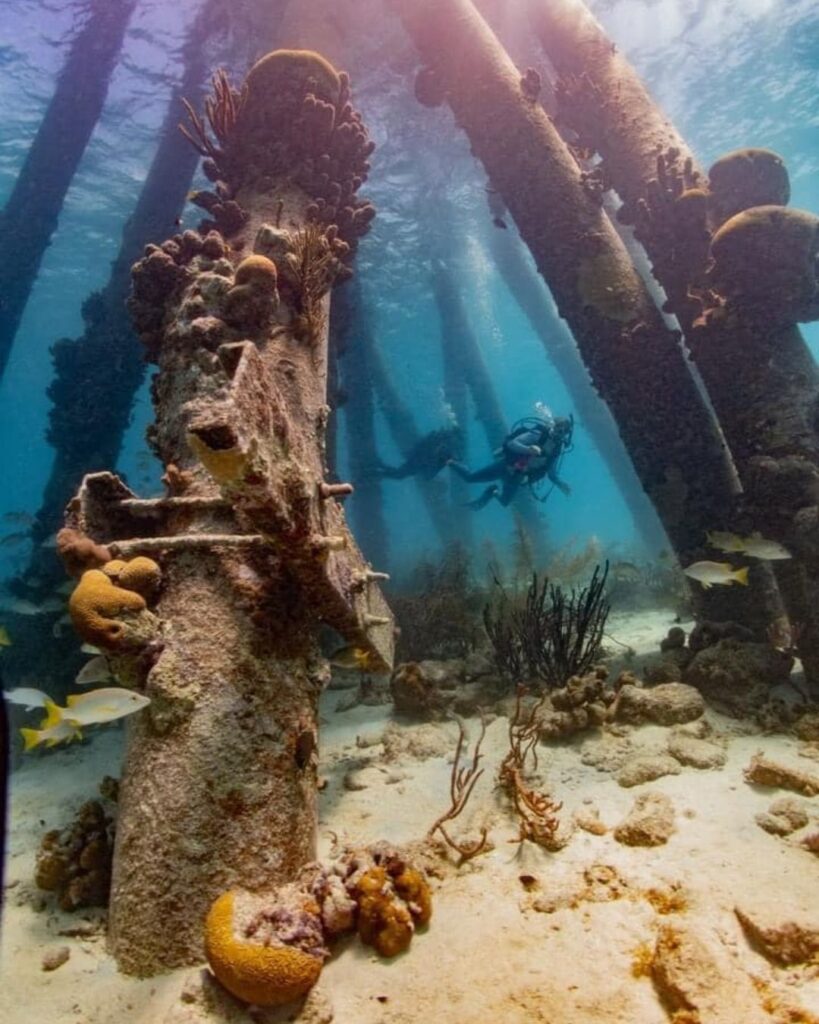
The conditions in Bonaire support independent diving better than almost anywhere else I have dived. So that means a guide is not necessarily required for safety here.
But safety and experience are two different things. Any questions you have about the solidness of your skills, whether you will feel supported underwater, and what it means to want or need extra help are the real questions. And they have almost nothing to do with access to dive sites.
What a dive guide in Bonaire really does is change the focus of your energy and attention.
When you are navigating independently, part of your attention has to stay on logistics. Where am I? How is my air? How far have we drifted? None of these factors is difficult to manage. It is just where some of your bandwidth goes.
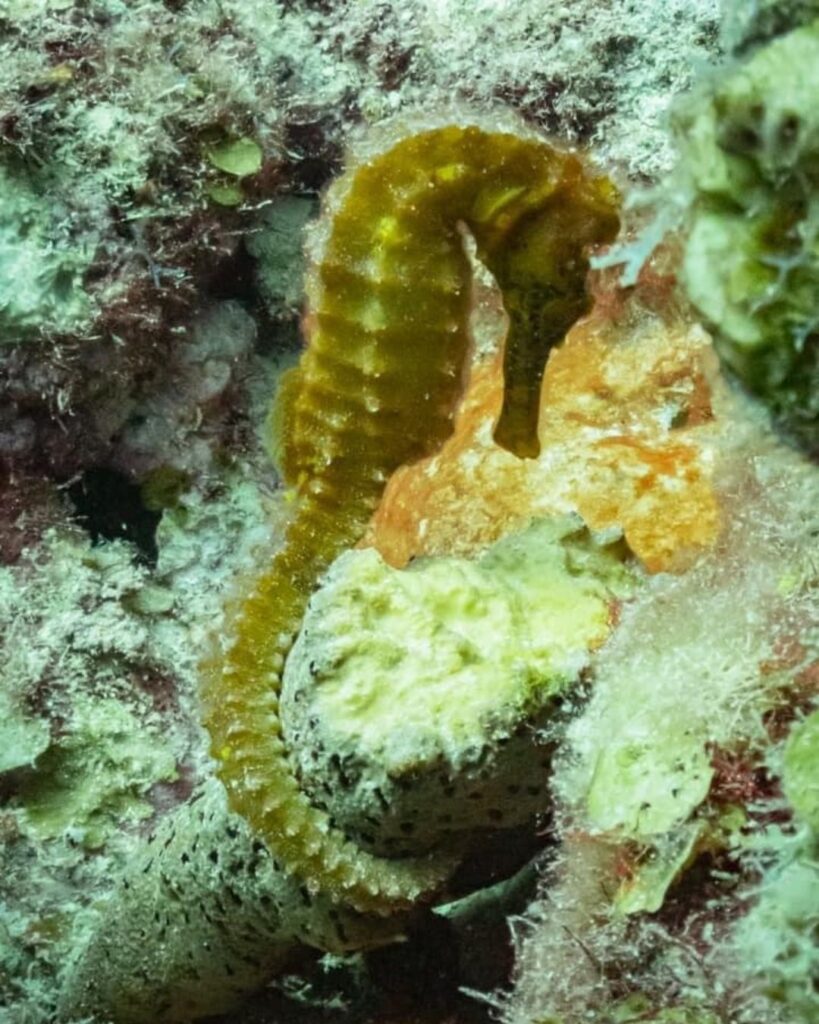
When you dive with a dive guide in Bonaire who knows the reefs, that bandwidth frees up. Your dive guide in Bonaire already knows where the cleaning station is, which direction the current is running today, and where the seahorses have been sitting all week. You get to be fully present with what is around you, rather than managing the environment you are moving through.
That difference is subtle, but it’s also significant.
For women interested in booking a dive guide in Bonaire, it’s not about supervision, and it’s not an indicator of inadequacy. It is a decision about what you want the experience to be.
The Checkout Dive Requirement Worth Knowing
If you plan to dive without a dive guide in Bonaire, there are a few other things worth knowing and preparing for. For example, if you plan to rent equipment independently from most Bonaire dive operators, you will need to complete a checkout dive first. This is standard practice on the island. Operators want to confirm your buoyancy control and basic skills before you head out with their gear, and that is reasonable.
The checkout dive is typically a single-tank dive led by a divemaster. For most certified divers, it is a straightforward warm-up dive. After that, you are generally free to dive independently for the rest of your trip.
The Deeper Conversation
I often find that the question “Do I need a dive guide in Bonaire?” is often a proxy for “Do I trust myself enough to be out there?” If you are still finding or building your basic skills, a guide is well worth it. Not because it’s required, but because self-trust builds in layers.
If you genuinely do not know whether your skills are solid enough, the checkout dive answers that. It gives you real, current information. More useful than any amount of pre-trip reassurance.
And if some part of you has absorbed the idea that needing support says something unflattering about your abilities, I want to name that directly. It does not. Choosing a dive guide in Bonaire is not admitting that you cannot dive alone. It is making a clear-eyed decision about what you want the experience to be.
That clarity does not stay at 60 feet. It carries into how you make decisions on land, how you ask for what you need, and how you stop apologizing for the kind of support that makes you better. The water has a way of showing you who you are when you stop performing and start choosing. That is not a coincidence. It is the whole point.
What Local Dive Guide in Bonaire Actually Brings
A knowledgeable, local dive guide in Bonaire changes what you notice. They know where the cleaning stations are, which critters are out this week, and how to read the reef in a way that takes years to build. That knowledge is not something you can replicate with a dive map and good intentions.
On a Rise & Dive Bonaire dive trip, I work with operators I have vetted for their knowledge of these sites, their professionalism, and their experience working with small group diving. I am in the water with you. Their staff knows the reef. Together, that gives you both the local expertise and a consistent, grounded presence from someone who knows what you need and how to read the water alongside you.
So, Do You Need a Dive Guide in Bonaire?
No. Not technically. Not legally. Not for basic safety in normal Bonaire conditions.
But here is the question worth sitting with instead: what do you want to get from these dives?
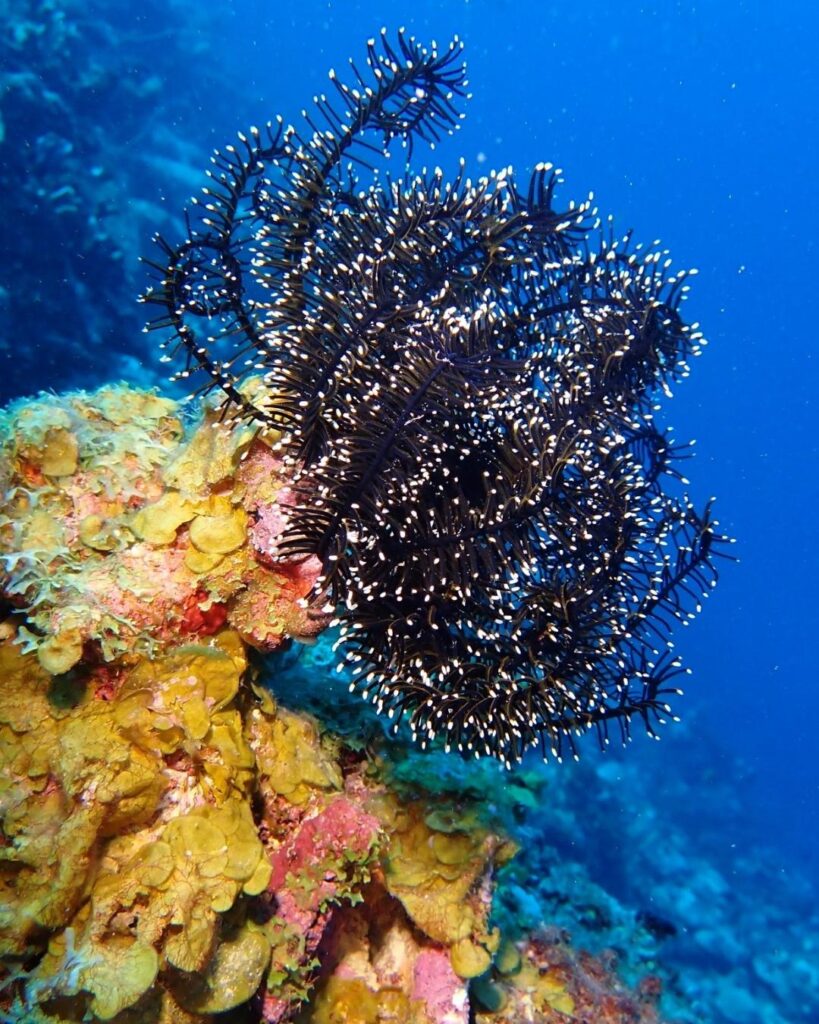
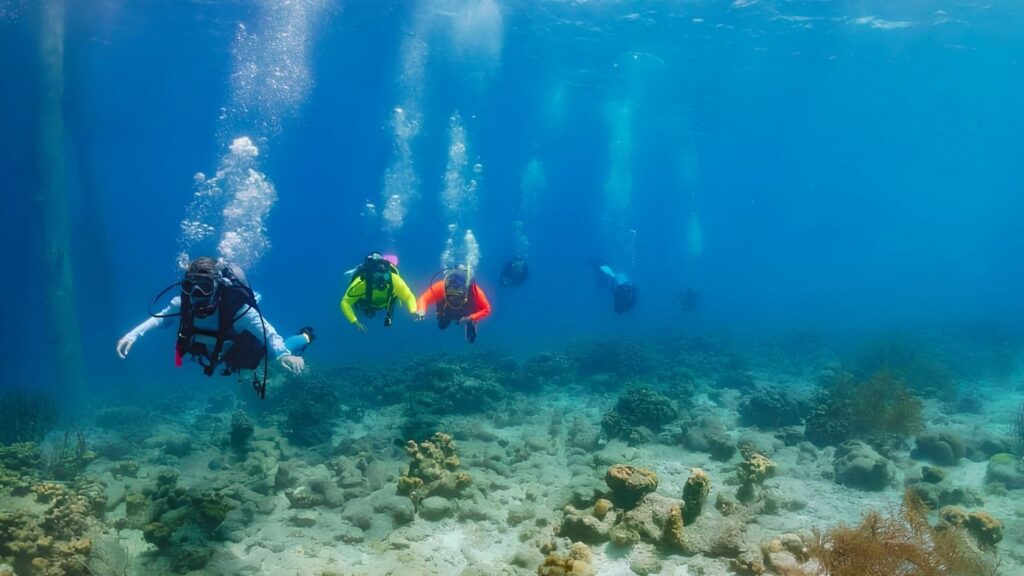
Bonaire’s healthy reefs and clear visibility create ideal conditions for slow, immersive diving
If you want maximum freedom and you have the experience to navigate comfortably on your own, independent diving in Bonaire delivers. Complete your checkout dive and go. The reef is right there.
If you want to be fully present without managing logistics, if you want someone who knows where the turtles rest and how the current is running today, if you want to surface and feel like you were actually there rather than administering a task, a dive guide in Bonaire is worth every dollar.
And if you are joining a structured trip with experienced leadership already in place, that decision is already made. You show up, and the rest is handled.
The question was never really about the guide. It was about what kind of diver you want to be out there and what kind of experience you are willing to build for yourself.
That is worth knowing before you book anything.
If you are weighing what a guided Bonaire experience looks like from the water up, the post ”Guided Diving in Bonaire for Women: Even Better Than You Think” walks through the full picture. And if the boat diving versus shore diving question is still open for you,” Bonaire Boat Diving vs Shore Diving: A Guide for Women Who Want the Best Experience” is worth reading before you decide.
See you under the surface,

Frequently Asked Questions
Do you need a dive guide in Bonaire?
No. Bonaire does not require a guide for certified divers, and the island is built specifically for independent diving at the vast majority of sites. Most rental operators require a checkout dive first to confirm your basic skills before you head out on your own.
What does a dive guide in Bonaire do?
A local dive guide in Bonaire navigates the site, identifies marine life, and handles logistics so you can focus entirely on the dive itself. In Bonaire, where the reefs are dense and the marine life varied, a good guide helps you see more and understand what you are looking at. The difference between a guided dive and an independent one here is less about safety and more about depth of experience.
How much does a guide cost in Bonaire?
Guided dive pricing varies by operator. In recent seasons, expect to pay between $40 and $70 USD per guided dive, depending on the operator and whether equipment rental is included. Some operators bundle guided dives into package pricing. If you are on a structured trip, guided diving is typically included.
What if I have not dived in a few years?
A guided first dive back is a strong choice regardless of your original skill level. The checkout dive required by most rental operators covers the basics, but if you want real support on your return to the water, requesting a guide for your first one or two dives is a smart move. That is not a concession. That is how you set yourself up for the best possible week.
