
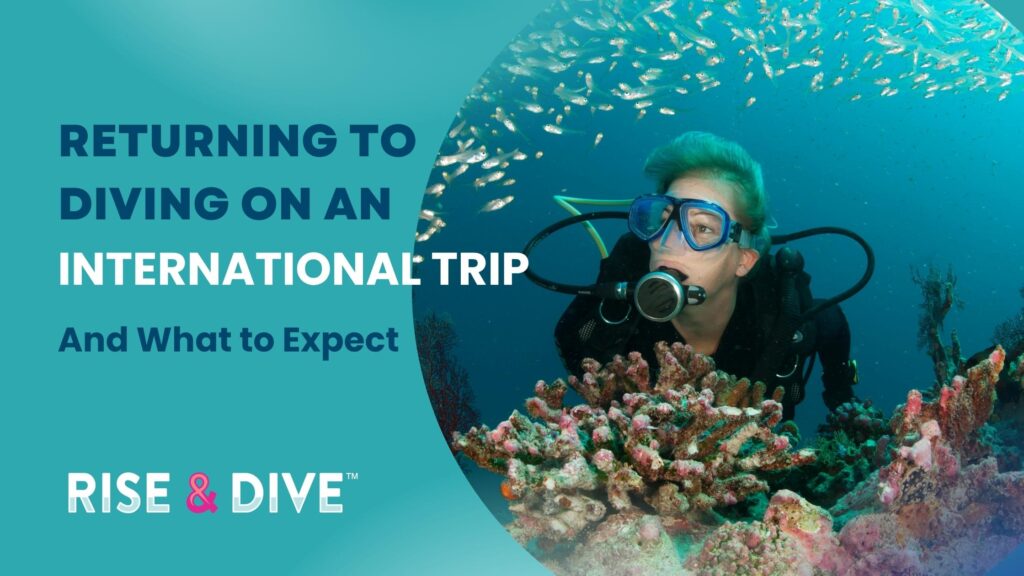
Stepping back into scuba diving after time away can feel bigger and more intimidating in your mind than it does in the water. But I’m here to assure you that returning to scuba diving abroad after a break is more straightforward than most divers expect. But that doesn’t mean the questions aren’t real, though, so that’s why we’re answering some here today.
Many divers take breaks for completely normal reasons. Careers become demanding, families need attention, and travel priorities shift for a few years. When the ocean starts calling again, the question is rarely about certification or skill. The deeper question is whether it will still feel natural. Whether your body will remember. Whether you’ll find the same calm underwater that you found before.
You can trust in yourself and your body that it will. And the right environment does a lot of the work for you.
Returning to Scuba Diving Abroad Is a Process of Remembering
Returning to scuba diving abroad after a long break rarely involves relearning everything. The body remembers far more than we expect. Buoyancy, breathing rhythm, and underwater awareness tend to return quickly once a diver settles back into the environment. Most women I’ve guided through diving after a long break are surprised by how much is still there.
The first dive often feels like a reintroduction. You may notice your breathing a bit more than you used to, or find yourself checking gauges more frequently than before. These small adjustments are simply your nervous system recalibrating to an environment that demands focus and presence. That’s not a lack of skill. That’s your system doing exactly what it’s designed to do.
By the second or third dive, the rhythm usually returns. Breathing slows. Hovering becomes easier. Awareness expands beyond equipment and back toward the reef itself. Confidence rebuilds through repetition, not pressure.
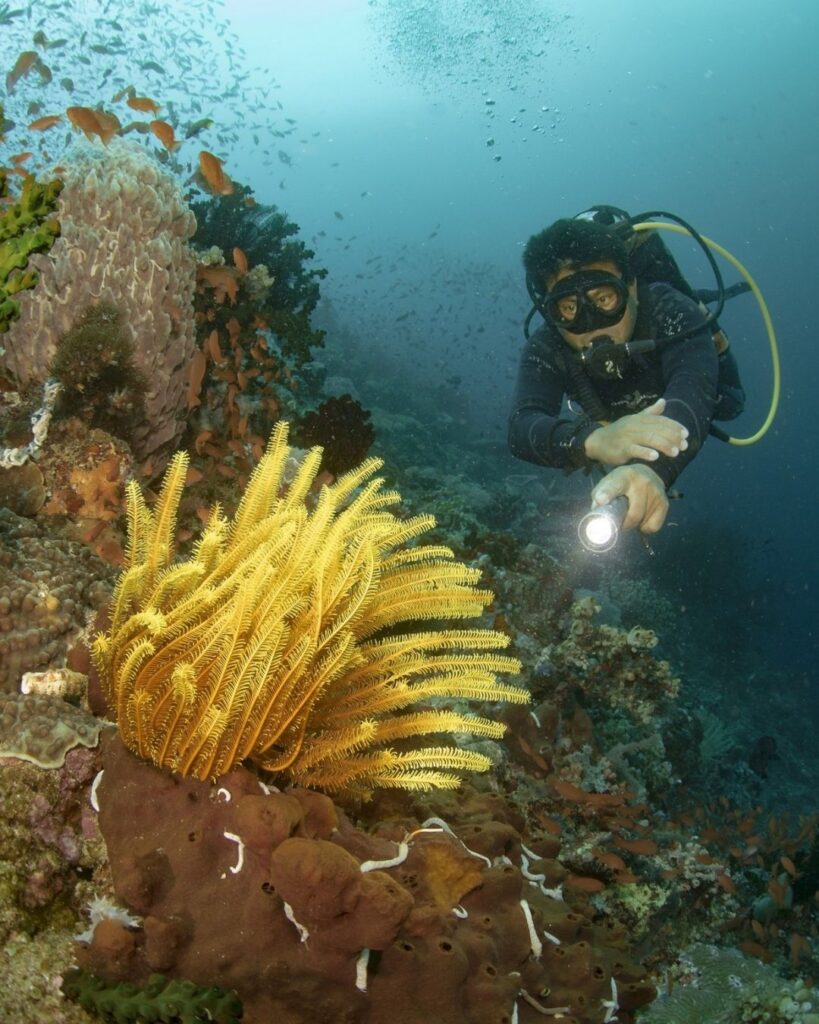
Diving in the Philippines offers calm reef environments and vibrant marine life that help returning divers rebuild confidence naturally.
Why the Environment Matters when Returning to Scuba Diving Abroad
The conditions surrounding your return to diving play a significant role in how comfortable that process feels. Calm environments support nervous system regulation and allow divers to rebuild trust in their skills at a steady pace. The dive environment should feel comfortable, not constantly testing or challenging.
I’ve found that warm, tropical destinations with reef-based diving often provide the most supportive conditions for returning divers. Gentle descents, stable visibility, and predictable dive profiles allow divers to focus on breathing and awareness rather than managing complex conditions.
The Philippines offers this in abundance. Reef systems with accessible boat diving and short rides to most sites create a relaxed rhythm to the day and allow divers to conserve energy for the underwater experience itself. As the week progresses, the marine life becomes richer and the diving more varied, introducing volcanic sand slopes and coral gardens that reward patient, unhurried observation.
Both regions where I take divers on trips to the Philippines sit within the Coral Triangle, the global epicenter of marine biodiversity and one of the most diverse scuba diving destinations in the world. Warm tropical water, vibrant reef systems, and dense marine life create an environment where curiosity replaces tension and exploration becomes the natural focus. For divers returning to scuba diving abroad, that combination of colorful marine life and calm conditions makes the transition back feel remarkably smooth.
Confidence Usually Returns Faster than Expected
One of the most common surprises for returning divers is how quickly their confidence stabilizes once they’re back underwater.
During the first dive, breathing can feel slightly elevated as anticipation settles. This is simply the nervous system readjusting to the sensory environment of scuba diving. As dives accumulate over the following days, breathing slows, and awareness expands beyond equipment and depth gauges.
Many returning divers also find that their relationship with diving has matured. Instead of focusing on depth or performance, they spend more time observing marine life, carefully adjusting buoyancy, and settling into the quiet rhythm of the reef. The experience becomes less about what you achieve and more about where you are and all there is to notice.
A Few Things Worth Sorting Before You Travel
International dive travel doesn’t require much extra preparation beyond what any returning diver would do. But a few practical things are worth confirming before you land. Every Rise & Dive trip also includes two complimentary planning sessions before you travel: an individual coaching call with me, your guide, and a group session, both online, so you arrive already connected and clear on what to expect.
Some things you’ll want to cross off your checklist before your next trip:
- Check that your certification card is accessible, either physical or digital.
- Confirm your passport is valid for at least six months beyond your travel dates. Many countries, including the Philippines, require this.
- If you’re traveling with your own gear, have your regulator serviced before you leave. If you’re renting on-site, that’s handled for you.
- Have a rough sense of your last logged dive and be honest with your dive leader about the gap. A good leader will work with that information, not against you.
That’s about it! The rest takes care of itself once you’re in the water.
What Returning Divers Often Notice by the End of the Trip
By the final dives, most returning divers feel a noticeable shift. Buoyancy control becomes more intuitive again, breathing steadies, and attention expands outward toward the surrounding reef.
The ability to dive well was never truly lost. It simply needed space and repetition to return. Most divers leave with more than a stack of logged dives. They leave with a clearer sense of what they’re capable of, and a confidence that doesn’t disappear when they get home.
Intentional Trip Design Makes a Difference
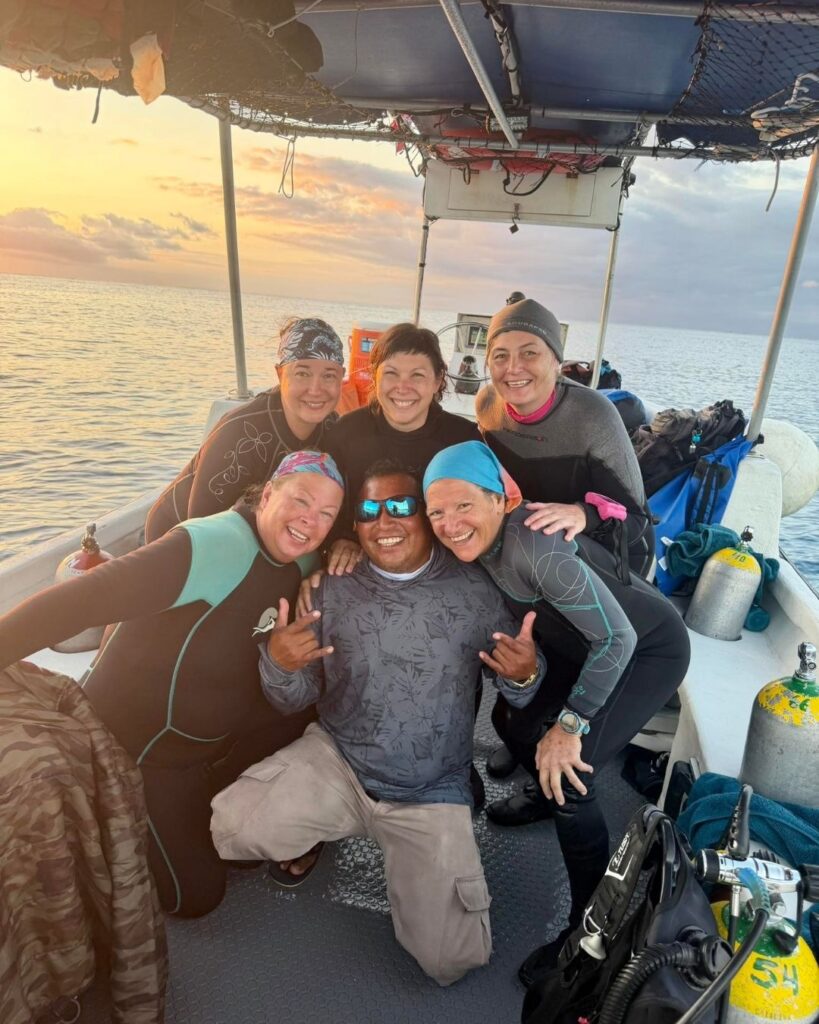
One of the best things you can do after returning to scuba diving abroad after a time away is choosing the right support system. The leadership and structure surrounding a dive trip can significantly influence how comfortable returning divers feel throughout the week.
The Rise & Dive Philippines Adventure is intentionally designed to support confidence-building. Small group sizes allow me to remain attentive to each diver’s experience while maintaining a calm rhythm throughout the week. The pace is steady, the progression is gradual, and the group energy reflects exactly what returning divers need: space to rediscover their comfort without any pressure to perform.
This is a women-centered dive adventure built for confidence, connection, and exploration of the Coral Triangle. It’s designed for women and is open to partners and family members who want to share the experience. When you’re ready to return to scuba diving abroad, I hope you’ll join us!
To calm and confidence,

Continue the Philippines Diving Series:
- Why Scuba Diving in the Philippines Builds Real Dive Confidence
- Women Scuba Diving in the Philippines: Why This Destination Delivers
- How to Travel to the Philippines for a Dive Trip Without Stress
- Is a Philippines Dive Adventure Right for You?
Want the full guide? Explore the complete Philippines scuba diving guide here.
Frequently Asked Questions
Is it safe to go scuba diving abroad after a long break?
Yes. Most divers returning after time away find that their skills return quickly once they’re back in the water. Choosing destinations with calm conditions, warm water, and supportive dive leadership makes the transition even smoother.
How long does it take to rebuild dive confidence?
Many divers feel noticeably more comfortable after the first few dives. Confidence tends to rebuild naturally through repetition, calm conditions, and supportive guidance.
Should I take a refresher before diving into international work?
If it’s been several years since your last dive, a refresher dive can be helpful. It allows you to review basic skills, check buoyancy, and reconnect with equipment before beginning a full dive schedule.
What destinations are best for returning divers?
Warm-water reef destinations with stable conditions are ideal. Regions within the Coral Triangle offer accessible diving and extraordinary marine biodiversity, making the experience rewarding even on a gentle return to the water.
