
As someone who lives and dives in Cozumel most of the year, I can tell you the best time to dive in Cozumel is not a single month or a tidy seasonal window. It depends on what you want from the water that week, and the answer shifts more than most dive guides let on. Cozumel has a calendar that rewards the woman who knows what she wants.
Cozumel is almost entirely a drift diving destination. That single fact shapes the conversation about timing more than anything else. What the current is doing, how visibility is running, and how those two things interact across the seasons determine the kind of week you are going to have.
Current and Visibility: The Two Variables That Actually Matter
The factors that shape a Cozumel dive more than anything else are not air temperature or sea state. They are current and visibility, and both shift meaningfully across the year. A calm sea day in November with 80-foot visibility is a completely different dive from a calm sea day in March with the same reading and a stronger current running along the reef. Same conditions on paper, but a different experience in the water.
The reefs on the western side of the island sit within the Cozumel Channel, a narrow strait fed by the Yucatan Current, one of the most powerful current systems in the Caribbean. That current is what makes the wall formations dramatic, what pulls pelagic life in close, and what makes a good drift dive here feel unlike anything else. I have been diving these reefs long enough to know that the current is also what makes the timing question worth understanding before you book.
How the Current Changes Across the Year
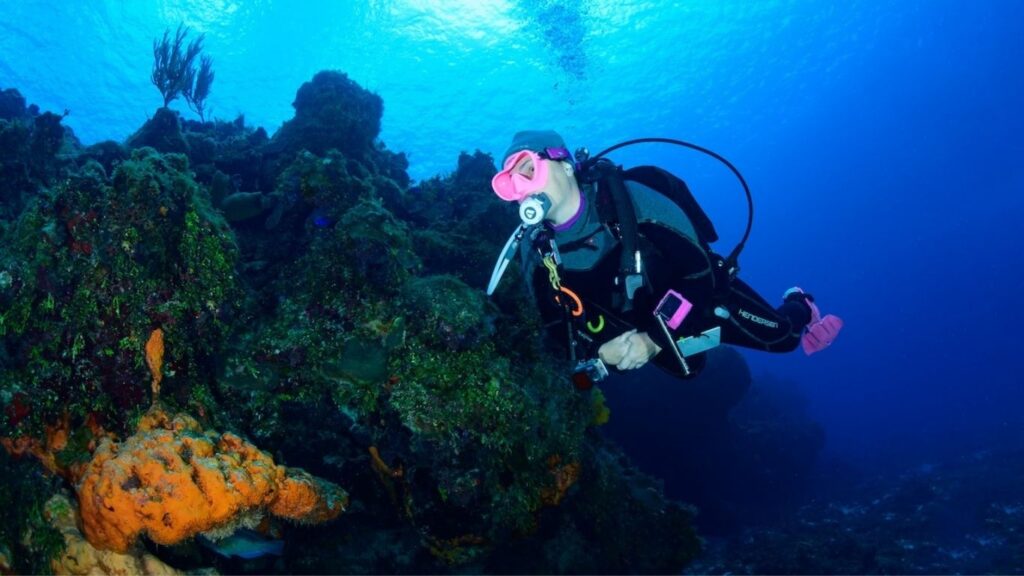
Drift diving in Cozumel is unlike most diving. Instead of navigating to a site and back, you work with the current rather than against it. The dive boat drops you upcurrent, you descend, and the reef slides past while you float. Air consumption drops, the pace slows, and something settles in a way I have not found in many other places.
Current speed and direction both shift throughout the year, and that shift matters more than most people account for when choosing when to come. In the calmer months, typically late spring through early summer, the current tends to be gentler and more predictable. For divers who are newer to drift diving or returning after a gap, that predictability makes a real difference. There is less pulling at your attention, and you have more room to settle in. In peak season, particularly February through April, conditions are often pristine, and visibility can extend beyond 100 feet, but current can also run stronger and more variable depending on the site. A confident drift diver often prefers that energy. A diver still finding her footing with Cozumel current may find the shoulder season a more useful entry point. Neither choice is wrong, and knowing the difference means you can plan around what you actually want from the week.
What Visibility Looks Like In Cozumel
Cozumel’s visibility is exceptional year-round. Even under non-peak conditions, you are typically looking at 60 to 70 feet of clear water. In peak conditions, it climbs toward 120 feet or beyond. The difference between those two readings changes the character of the dive considerably. When the wall drops away cleanly, and blue water opens around you with nothing obscuring it, the sense of depth and scale is truly something else. It is the same reef, the same depth on the computer, but the clarity changes everything about how it feels to be in it.
The months with the most consistently high visibility, generally November through May, are when that quality is most reliable. That said, I have had exceptional clarity here in July, too. The reef does not always follow the same calendar as the surface does, and that is worth keeping in mind when you are weighing your options.
The Best Time to Dive in Cozumel by Season: What Actually Changes
Spoiler: it’s not surface conditions. Here’s what each season does to the dive itself, based on what I see here year-round.
November through April (Peak Season)
Visibility at its most consistent, often 80 to 120-plus feet. Water temperatures around 77 to 80 degrees Fahrenheit. Current runs strongest during this window, which means excellent drift diving for experienced divers and more variability for those still calibrating to Cozumel’s pace. This is also the busiest time on the surface, with the most boats and the highest prices of the year. If you want the clearest water and do not mind sharing the reef, this is your window.
May through early July (Shoulder Season)
Water warms toward 84 degrees Fahrenheit, and the current settles into gentler, more predictable patterns. Crowds thin out noticeably, and there are far fewer boats on the reef. Visibility remains strong, and the island has a quieter pace that changes the whole experience above and below the water. This is the window most visitors overlook, and honestly, some of the most experienced divers I know here consider it their favorite time of year.
Mid-July through September
Warmest water of the year, averaging 84 to 86 degrees Fahrenheit, and the reef is quieter than it gets at any other time. Hurricane season is technically active, but direct hits on Cozumel are not common, and conditions can be genuinely excellent during this window. If the timing works for you, this is one of the more underrated windows to be here. Trip insurance is always a good idea when traveling to dive, and during hurricane season, it is worth making sure your policy specifically covers weather-related disruptions.
October through mid-November
The most variable window of the year. Late September through mid-October is when storm activity is most likely to cause an interruption; in some years it does, while in others it passes completely uneventfully. If you need a trip to go exactly as planned with no weather variables, this is the window to factor in carefully. If you can roll with some uncertainty and adjust on the day, there are genuinely good dives here, and the island has a particular quiet to it in this season that I find hard to explain. Trip insurance is especially worth having during this window, and make sure your policy covers weather-related disruptions before you book.
Cozumel Water Temperature by Month
Water temperature in Cozumel ranges from around 77 degrees Fahrenheit in the winter months to 86 degrees at the peak of summer. Most divers find a 3mm wetsuit sufficient for the cooler months and a shorty or skin comfortable from June through September. If you run cold, a 5mm is worth packing for winter dives, particularly on longer multilevel profiles where you stay shallower and move less.
I see divers underprepare for January and February water more often than any other variable, and it affects the quality of the dive in ways that are hard to recover from once you are already cold. A diver who surfaced shivering after 45 minutes did not get the same dive as one who was comfortable the whole way through, even though the reef was identical for both.
Cozumel Marine Life and the Calendar
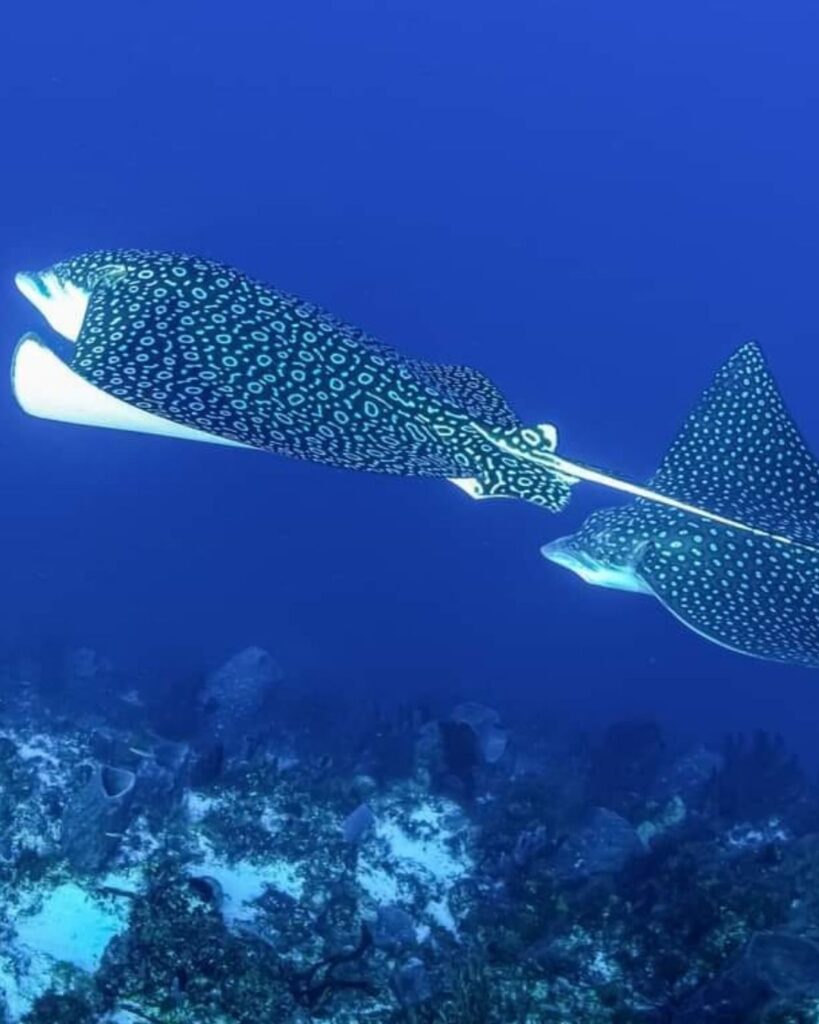
Eagle rays are present year-round in Cozumel and aggregate in larger numbers during the cooler winter and early spring months.
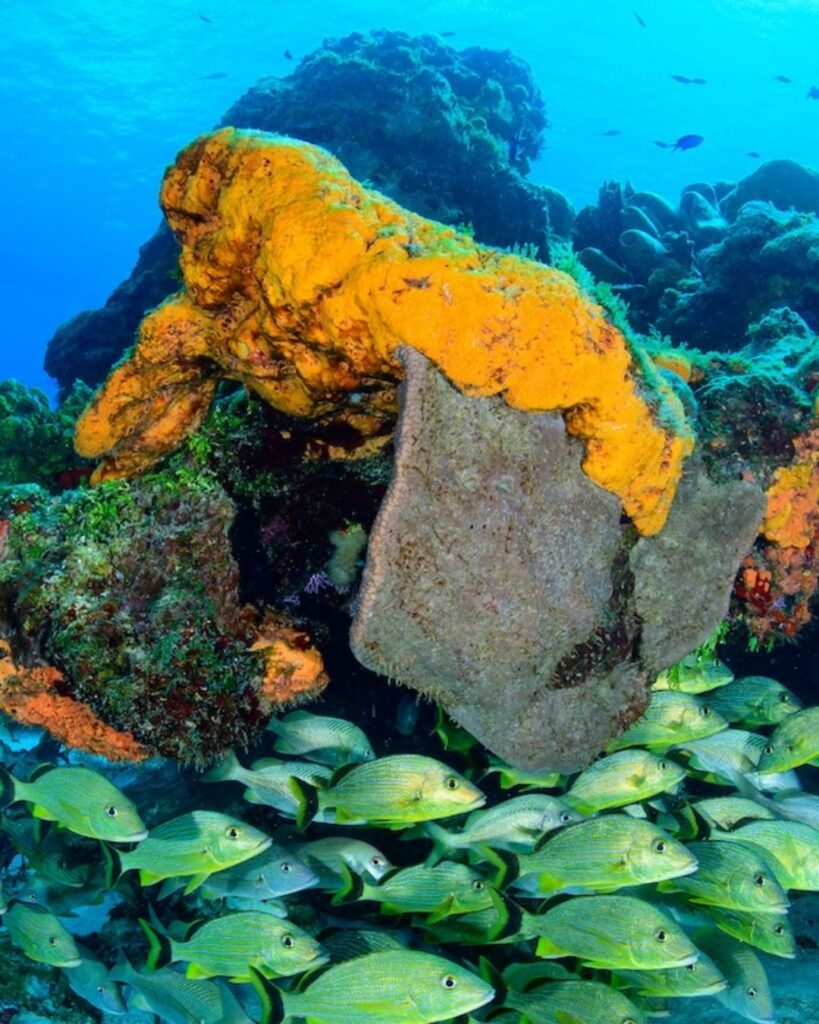
The marine life here also shifts across the year in ways that make certain months more compelling, depending on what you want to see, and living here means I track these patterns differently than a trip overview does. Eagle rays are present year-round but show up in larger numbers during the cooler winter and early spring months.
Turtle activity is consistent across the year, and the reef fish that define the Cozumel experience–the queen angelfish, the spotted drums, and the schools of creole wrasse–show up regardless of what month you arrive. For a more complete picture of what appears by month and when each window opens and closes, the Cozumel marine life calendar covers each species in the kind of detail this post does not have room for.
The Right Time Is the One That Fits
Cozumel rewards divers who show up ready for it, whatever the best time to dive in Cozumel turns out to be for you. The conditions shift across the year, but the reef delivers in all of them. What matters most is knowing what you are looking for from that week in the water, and choosing the window that matches it.
If you are looking at our Rise & Dive Cozumel trips and wondering whether the timing works for you, the Cozumel dive trip page is the best place to start. There is a window that fits. Let’s find it.
To calm and confidence,

Frequently Asked Questions
What is the best time to dive in Cozumel?
November through April offers the most consistently reliable conditions: calm seas, visibility ranging from 80 to 120-plus feet, and comfortable water temperatures. That said, Cozumel is a genuine year-round destination, and excellent diving happens every month. The late-spring and early-summer shoulder months are consistently underrated and worth a serious look if your schedule allows.
What is the water temperature in Cozumel for diving?
Cozumel water temperature ranges from around 77 degrees Fahrenheit in winter to 86 degrees in summer. Most divers use a 3mm wetsuit in the cooler months and a shorty or skin from June through September. If you run cold, bring a 5mm for winter dives, especially if you plan to stay down longer.
Is Cozumel a good destination for divers returning after a break?
Yes. The drift diving structure here tends to be more supported and predictable than site-based diving at comparable destinations, and the operations on the island are experienced by divers at all stages of re-entry. The reef layout is forgiving, and the current does a lot of the work for you once you understand how to move with it. It is a destination where a returning diver can genuinely rebuild her footing without having to fight the water.
Does the current make diving in Cozumel difficult?
It depends on the site and the day. On a moderate current at a well-run site, drift diving in Cozumel tends to feel effortless in a way that surprises a lot of first-time visitors. On a stronger current day or at a more exposed site, it asks more of you. A good divemaster will read the conditions before the dive and choose the site accordingly, which is one reason working with experienced local operations matters here.
Is diving in Cozumel during hurricane season worth it?
Often, yes. Direct hits are infrequent, and the shoulder months offer warm water, thin crowds, and reef access that simply does not exist in the same way in peak season. Late September through mid-October carries the most variability and is worth factoring into your planning. Outside that window, most divers who come during this period are genuinely glad they did.
What month has the best visibility in Cozumel?
Visibility is strongest from November through May, with peak clarity often found in February, March, and April. Even in the shoulder months, what Cozumel calls a slower-visibility day tends to outperform what most Caribbean destinations consider a good day. The baseline here is just higher.
