
Quick Answer:
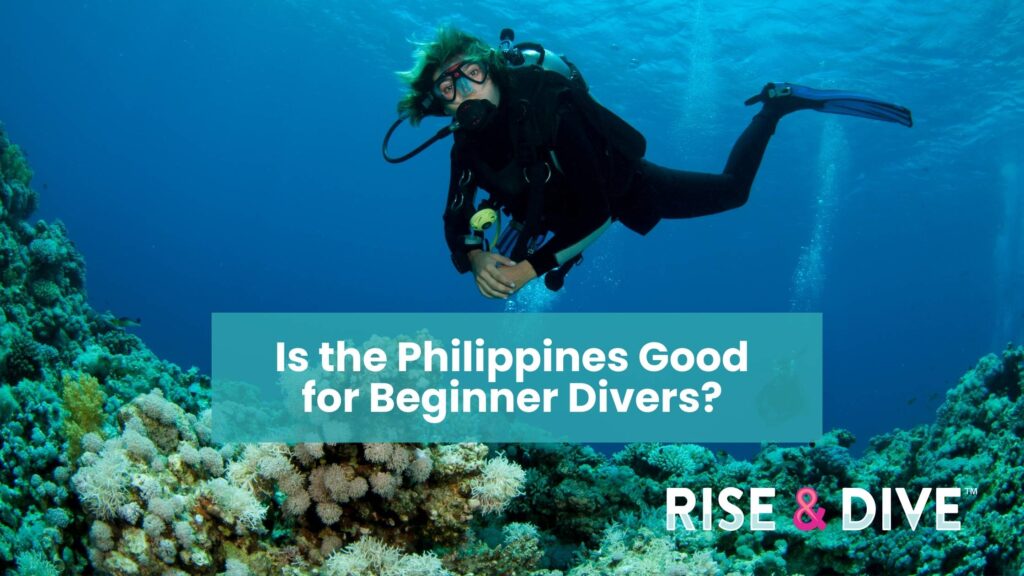
Yes. For those asking, “Is the Philippines good for beginner divers?” I can assure you the Philippines is considered one of the best places in the world for beginner scuba divers because many regions offer warm, tropical waters, excellent visibility, and reef-based dive sites with gradual depth profiles. Locations such as Puerto Galera and Dumaguete offer accessible boat diving, vibrant reefs, and conditions that help divers build confidence.
If you are asking, is the Philippines good for beginner divers, then you may really be asking: Will I feel supported enough to actually learn and succeed in that environment?
And the answer to that question is also yes. The Philippines can be an exceptional place for beginner divers when the experience is structured well.
Diving in environments that feel stable and predictable helps regulate the nervous system. When conditions feel manageable, new divers can focus on breathing, buoyancy, and awareness instead of anxiety. That shift and that sense of security are where confidence begins.
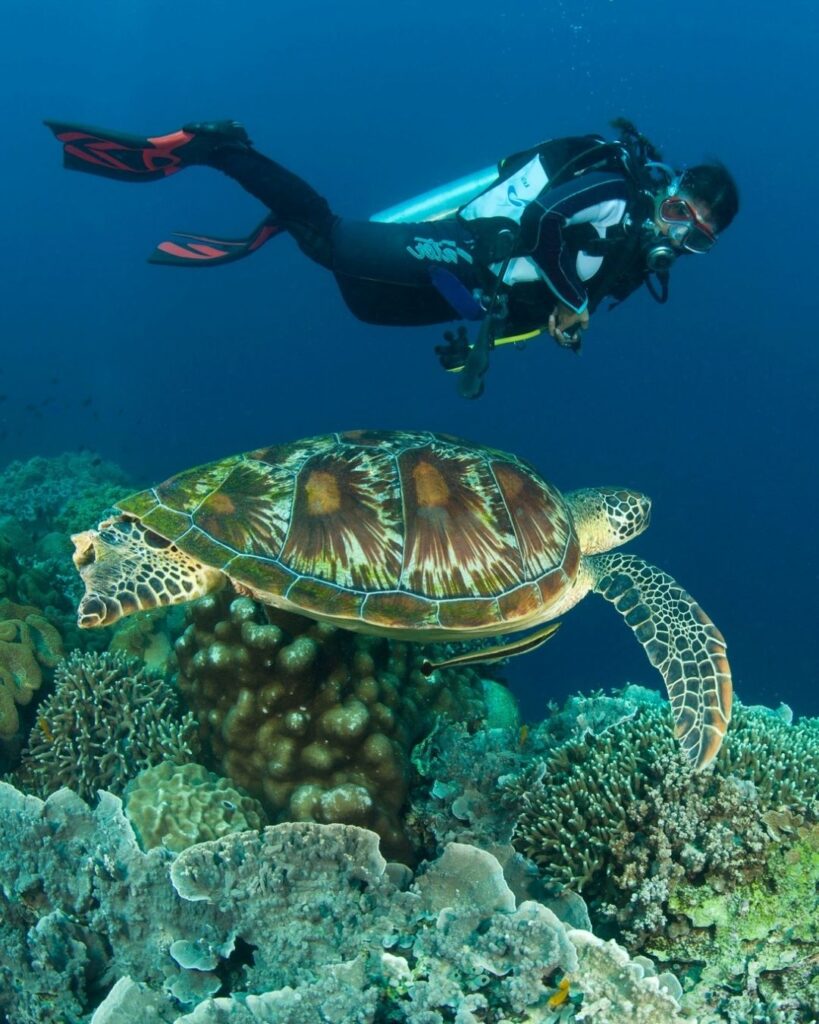
Reef-based dive sites in the Philippines allow beginner divers to build skills gradually in structured, supportive environments.
Why the Philippines Works for Beginner Divers
The Philippines sits inside the Coral Triangle, one of the most biologically diverse marine ecosystems on the planet. Reefs are dense with marine life, coral formations stretch in every direction, and encounters with turtles, reef fish, and macro species are common. The Philippines is widely considered one of the most accessible places in the world for beginner divers, offering warm waters, rich reefs, and dive sites that allow gradual skill development.
For anyone researching scuba diving in the Philippines, the Coral Triangle context matters because it explains why the marine environment here supports learning so well.
But biodiversity alone does not make a destination supportive for new divers. The conditions and logistics also matter.
In locations such as Puerto Galera, divers experience warm tropical waters, accessible boat diving with short rides, and reef sites with gradual depth profiles. Beginner scuba experiences in the Philippines tend to be reef-based, meaning divers work in clean, structured environments rather than in open-water drift conditions. Marine life exploration near Dumaguete often takes place along calm reef slopes and sandy areas where buoyancy skills can develop naturally. Warm water reduces physical stress, strong visibility lowers cognitive load, and short boat rides preserve energy for the dives themselves.
Predictability builds calm, and calm builds confidence.
Where Beginners Sometimes Struggle
Keep in mind, the Philippines is real ocean diving.
Some sites have current, boat entries are common, and many dive schedules include multiple dives per day.
If the experience is rushed or the group is large, beginners can feel like they are trying to keep up rather than settling into the rhythm of diving. This is rarely a destination problem. It is a structural problem.
Beginner divers do not need less ocean. They need clear leadership, thoughtful pacing, and space to learn dive by dive. That’s where a supportive dive structure and environment come in.
What Makes the Difference
Intentional planning and execution changes everything.
A woman-centered Philippines dive adventure designed for confidence, connection, and Coral Triangle exploration feels different because the pace is deliberate. Small groups create space to ask questions. Dive briefings stay focused and supportive. Surface intervals allow the nervous system to settle. Each dive builds on the previous one.
Confidence is not rushed. It is developed.
Newly Certified or Returning After a Break?
For many divers, the Philippines actually accelerates building dive confidence. Reef-based dive sites allow gradual depth control, and warm water helps the body stay relaxed. Strong visibility supports spatial awareness, and the biodiversity keeps divers engaged and curious rather than scanning for problems.
The relaxed diving Philippines conditions at sites like these, warm, clear, reef-structured, are part of why nervous system regulation happens faster here than in colder or more demanding environments.
When your attention moves toward the reef, anxiety loses its foothold. Many divers relax in the water faster here than they expect.
Who Tends to Thrive Here
The Philippines is especially well-suited for women who want warm-water reef diving with real guidance, whether they are newly certified, returning after time away, or simply looking for world-class marine life without cold-water stress or crowded groups. It is not about experience level. It is about wanting a structure that supports you while the ocean does the rest.
The Women-Centered Difference
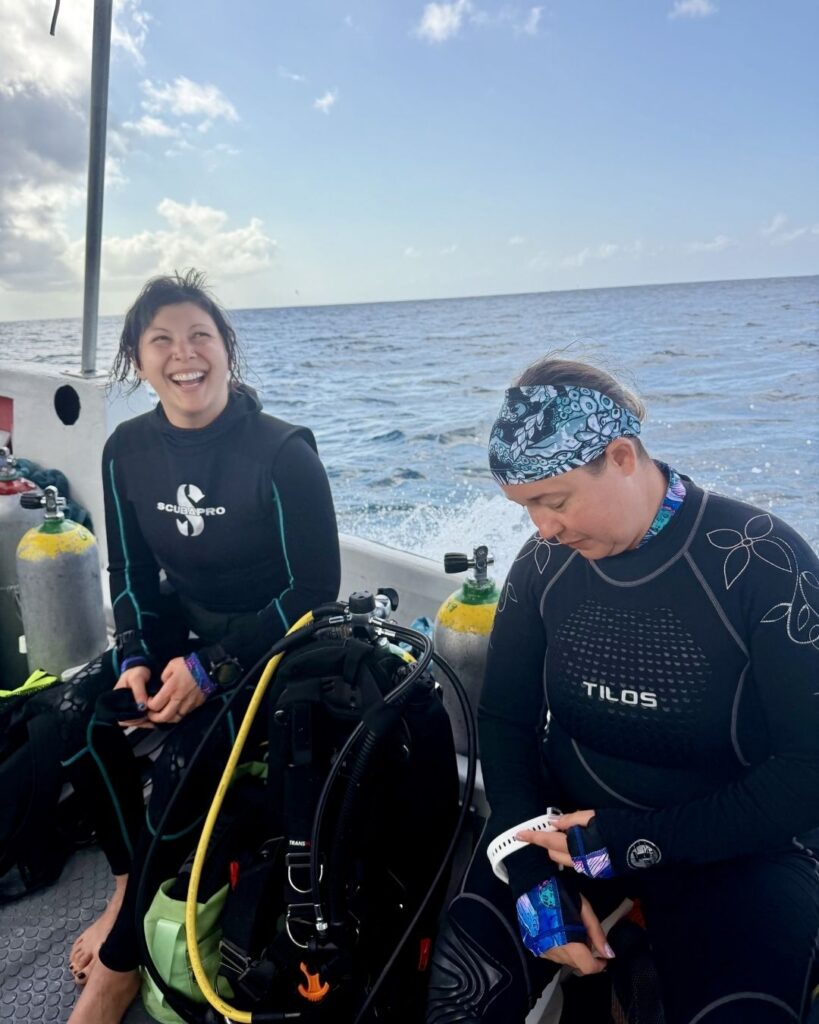
What a woman-centered structure actually provides for a beginner diver is an unhurried space to develop skills. When group size is intentionally small, and leadership understands both skill progression and nervous system pacing, divers are not performing for the group. There’s no pressure of achievement. They are building, dive by dive, in an environment designed to hold them while they do.
The Rise & Dive Philippines adventure is built around exactly this. Calm pacing, intentional leadership, and a group size that gives every diver room to find her footing. I strive to lead every trip personally, and partners and family members are welcome to join
So, Is the Philippines Good for Beginner Divers?
Yes!
When dive sites are selected thoughtfully, when the group size stays small, and when leadership understands both skill progression and nervous system pacing, the Philippines offers warm tropical water, accessible boat diving, vibrant reefs, and island hospitality that naturally supports learning.
With the right structure, beginner divers do more than complete dives. They expand.
If you are ready to explore what that feels like, you can find your place on the beginner-friendly Philippines dive trip here.
Many of the women who join these adventures first connect inside the Women In Scuba Empowered (WISE) community, where conversations about dive confidence, skill growth, and ocean exploration happen every day.
Rising with every breath,

Continue the Philippines Diving Series:
- Returning to Diving on an International Trip: How to Build Confidence Again
- Why Scuba Diving in the Philippines Builds Dive Confidence
- Is a Philippines Dive Adventure Right for You?
Want the full guide? Explore the complete Philippines scuba diving guide here.
Is the Philippines good for beginner divers?
Yes. Many regions offer warm water, excellent visibility, and reef-based dive sites with gradual depth profiles, making them supportive environments for newer divers.
Where is beginner diving best in the Philippines?
Puerto Galera and Dumaguete are two of the most accessible areas. Both offer vibrant reefs, short boat rides, and dive sites where divers can gradually build comfort.
Is the Philippines safe for new scuba divers?
Yes. The Philippines is considered a safe and accessible destination for new scuba divers when trips are led by experienced guides, feature thoughtful site selection, and maintain small group sizes.
