
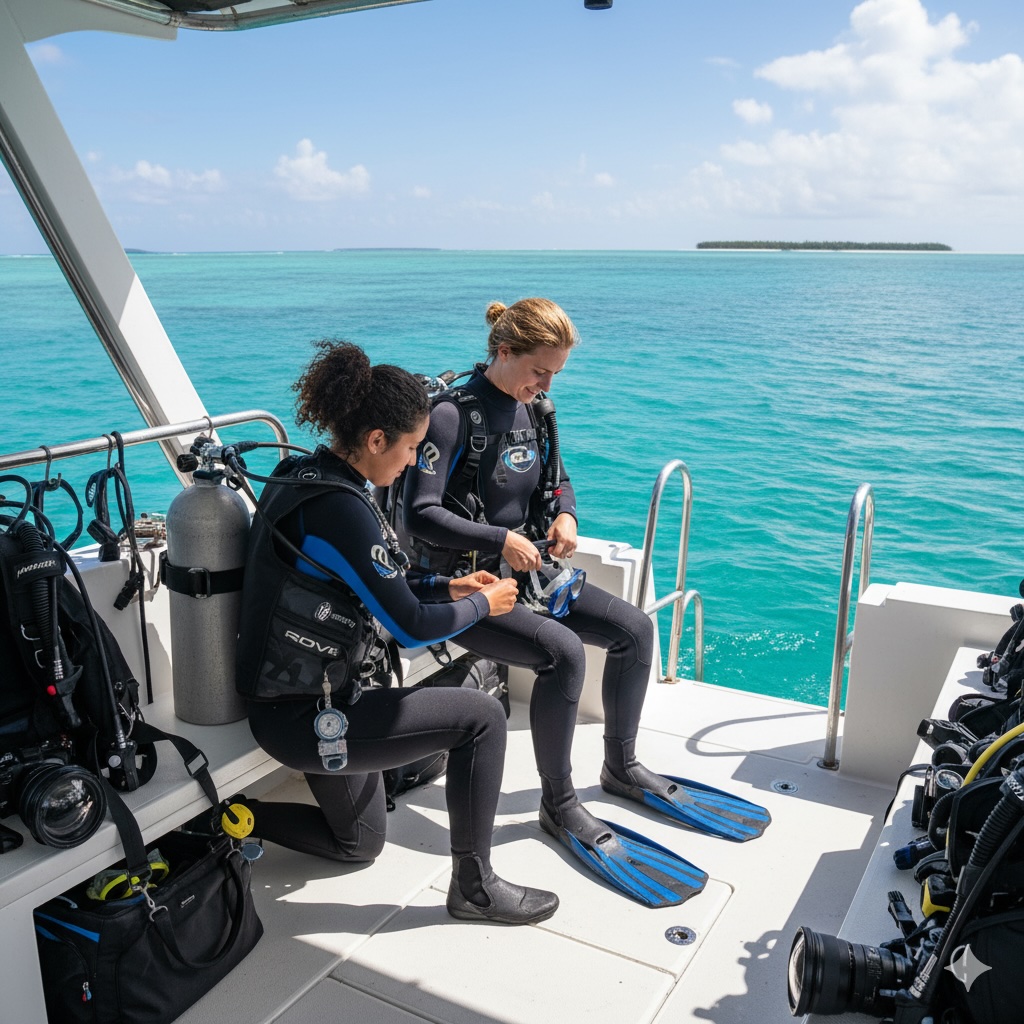
Buoyancy is one of the most essential skills in diving and is often the first to slip when anxiety sets in. Most divers have felt the tension and sudden shift in breath that anxiety can bring. Stress tightens the body, buoyancy changes, and what should feel effortless can become a struggle to stay balanced. Proper control is more than technique. It is breath, awareness, and trusting yourself as conditions shift so your body can steady and diving can feel fluid again.
The good news is that steadiness can be trained long before you’re underwater. Land-based buoyancy work builds awareness, strengthens breath control, and helps your nervous system practice calm. These sessions build muscle memory and a grounded focus that keeps you centered on every dive, moving from tension to freedom, one intentional breath at a time.
Before we dive in, here is a simple guide to help you navigate this training.
Jump Ahead: Land-Based Buoyancy Training • Breath Control • Core Stability • Balance + Proprioception • Visualization • FAQs
What Is Buoyancy Training?
Buoyancy training focuses on improving breath control, body awareness, and stability to maintain neutral buoyancy underwater with less effort. This can begin on land through breathing drills, core work, balance training, and visualization exercises.
The Land-Based Buoyancy Training Routine
Frequency: 3 sessions per week
Duration: 20–30 minutes per session
Focus: Breath, core stability, balance, and visualization
1. Breath Control (5 minutes)
Breathing directly shapes buoyancy. When stress kicks in, your breath often shortens and speeds up, throwing off your balance and increasing tension. Training with slow, steady breathing drills on land increases your control. These simple practices rewire the nervous system toward calm, so steadiness becomes the default instead of panic. With repetition, you carry that control into the water, using breath as a stabilizer rather than letting it fuel anxiety.
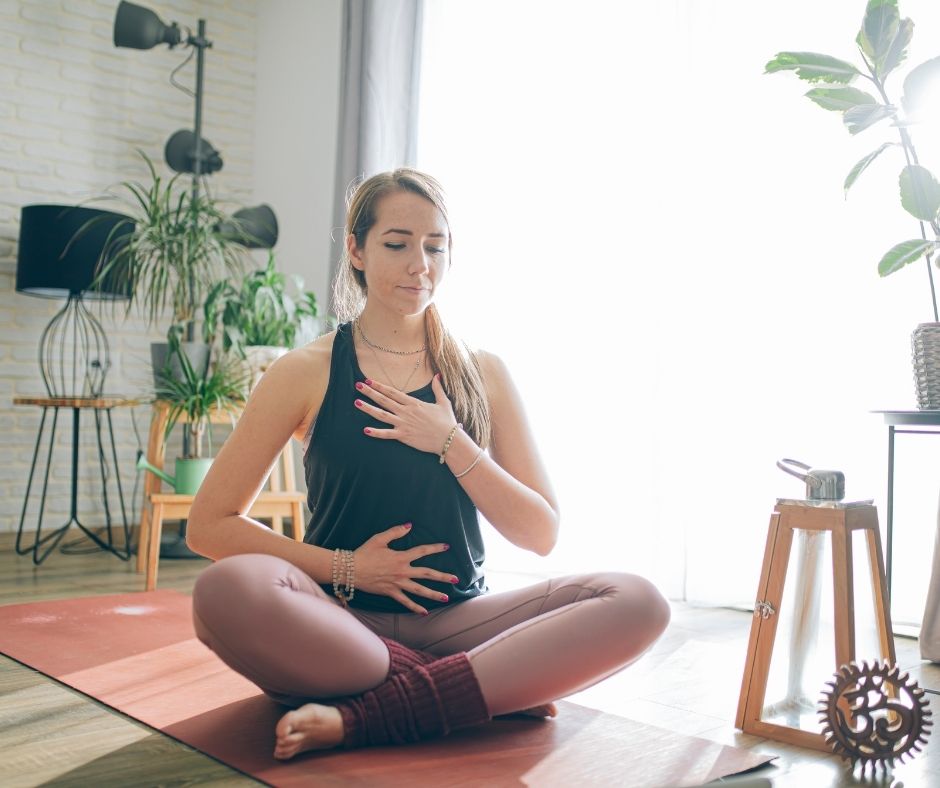
Diaphragmatic Breathing
- Continue for 1–2 minutes, maintaining slow, steady breaths.
- Sit or lie on your back.
- Place one hand on your chest and the other on your stomach.
- Inhale slowly through your nose, letting your belly rise while keeping your chest still.
- Exhale completely through your mouth and feel your stomach fall.
Paced Breathing Drill
- Inhale gently for six counts, then pause briefly.
- Exhale for four counts, then pause again.
- Once this feels comfortable, extend the inhale to 8 counts and the exhale to 6 counts.
- Keep your breathing smooth and rhythmic throughout.
- Repeat for 6–8 cycles.
Box Breathing
- Inhale for four counts.
- Hold your breath for four counts.
- Exhale for four counts.
- Pause for four counts before the next inhale.
- Continue for 1–2 minutes while keeping your body relaxed.
Why it helps: Anxiety alters breathing, which in turn affects buoyancy. These drills teach you to calm and steady your breath, allowing you restore control. By practicing on land, you build the awareness and rhythm needed to manage buoyancy with confidence in the water. For deeper work on nervous system regulation underwater, explore my article on Somatics and Diving.
2. Core Stability (8 minutes)
Core strength is the foundation of trim and control. Without it, divers often scull with their hands or over-kick with their fins to stay in place, which burns energy and disrupts buoyancy. Training your core is key to maintaining stability and helping your body naturally remain properly aligned in the water. A strong core keeps you steady with less effort, which means you can relax, conserve air, and focus on your dive rather than fighting your own movement. For anxious divers, that sense of steadiness builds confidence.
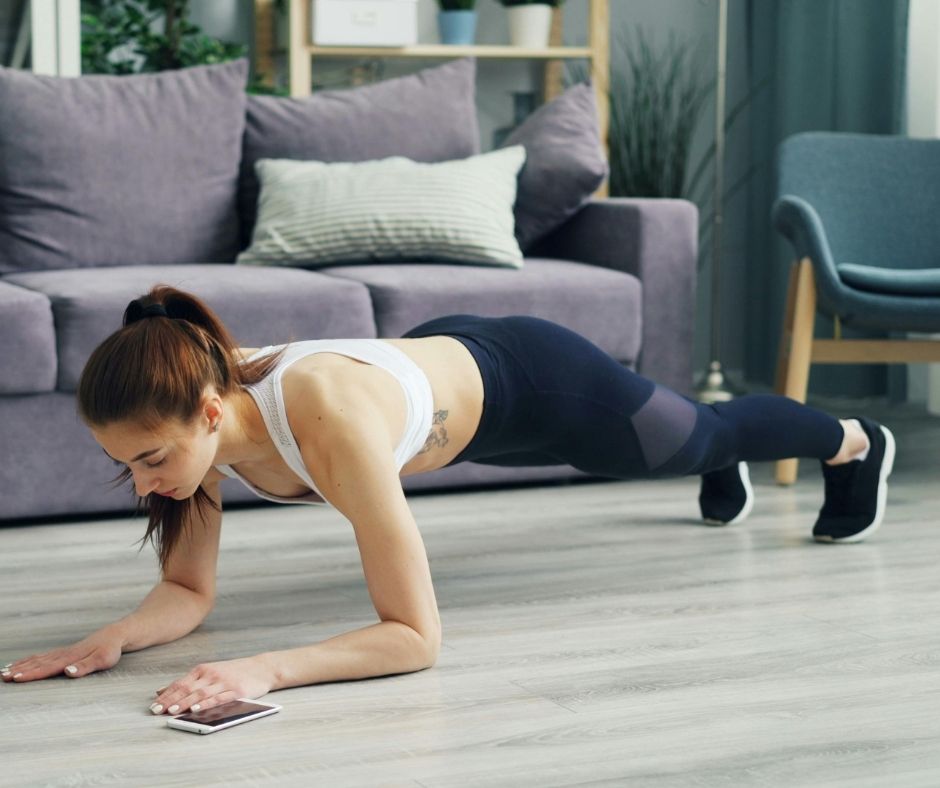
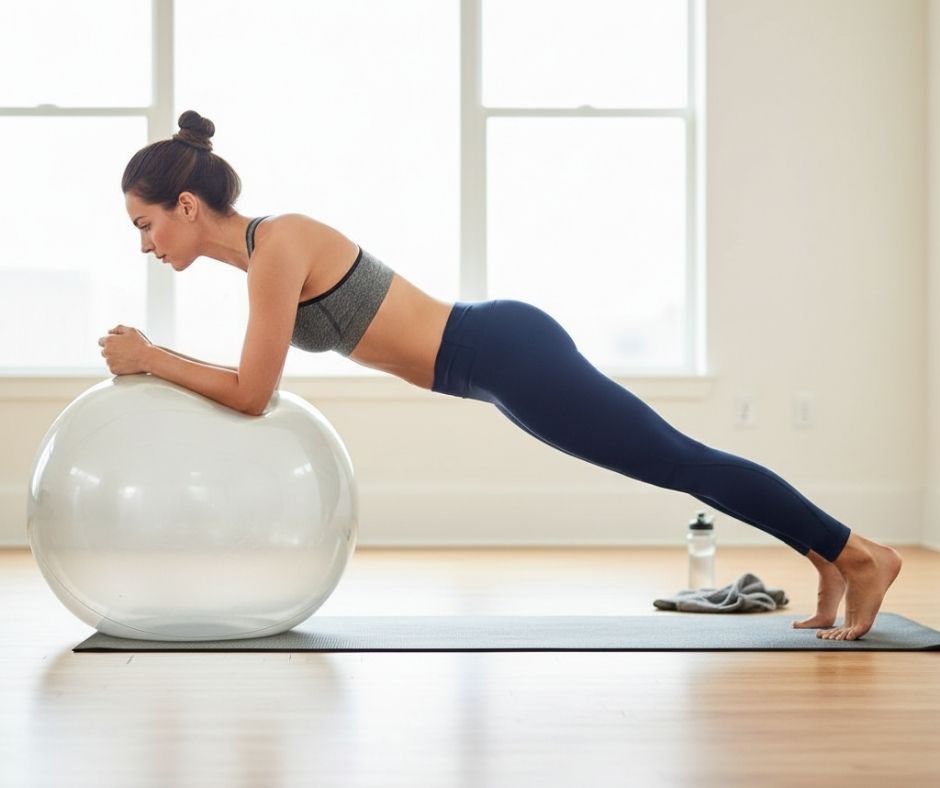
Plank (3 sets of 30–60 seconds)
- Engage your core and maintain steady breathing throughout each hold.
- Start face down with body weight on your forearms and toes.
- Keep your body in a straight line from head to heels.
- Avoid letting your hips sag or your shoulders rise.
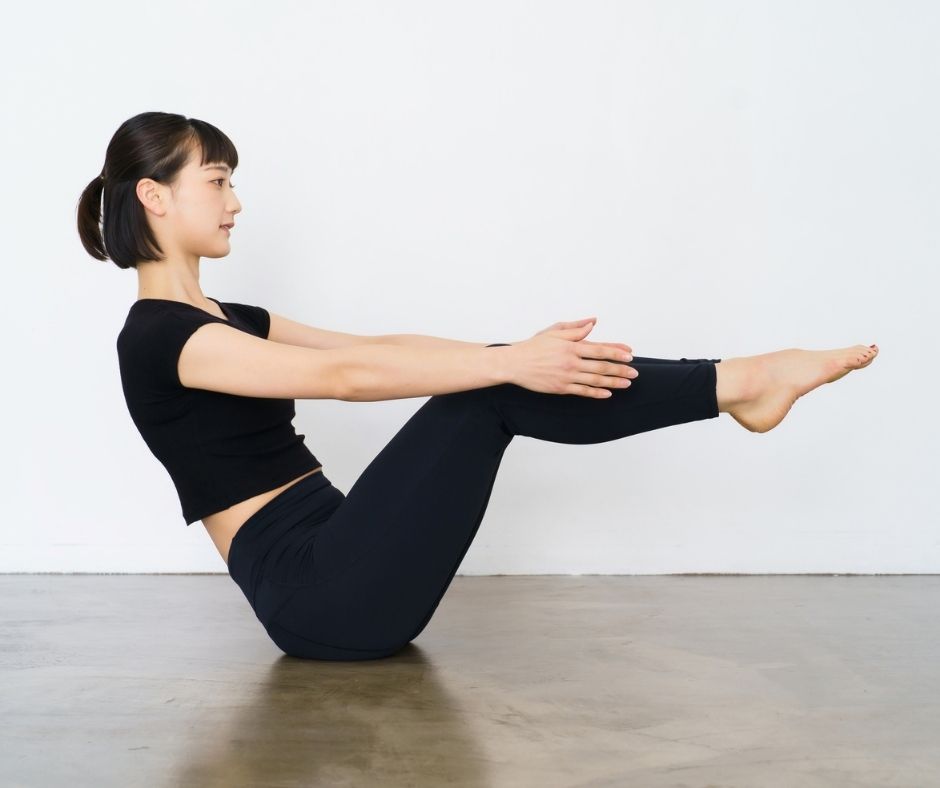
Boat Pose (3 sets of 30 seconds)
- Sit on the floor with knees bent and feet flat.
Lean back slightly and lift your feet so your shins are parallel to the ground. - Extend your arms forward and keep your chest lifted.
- Engage your core. For a more challenging, straighten your legs into a V-shape.
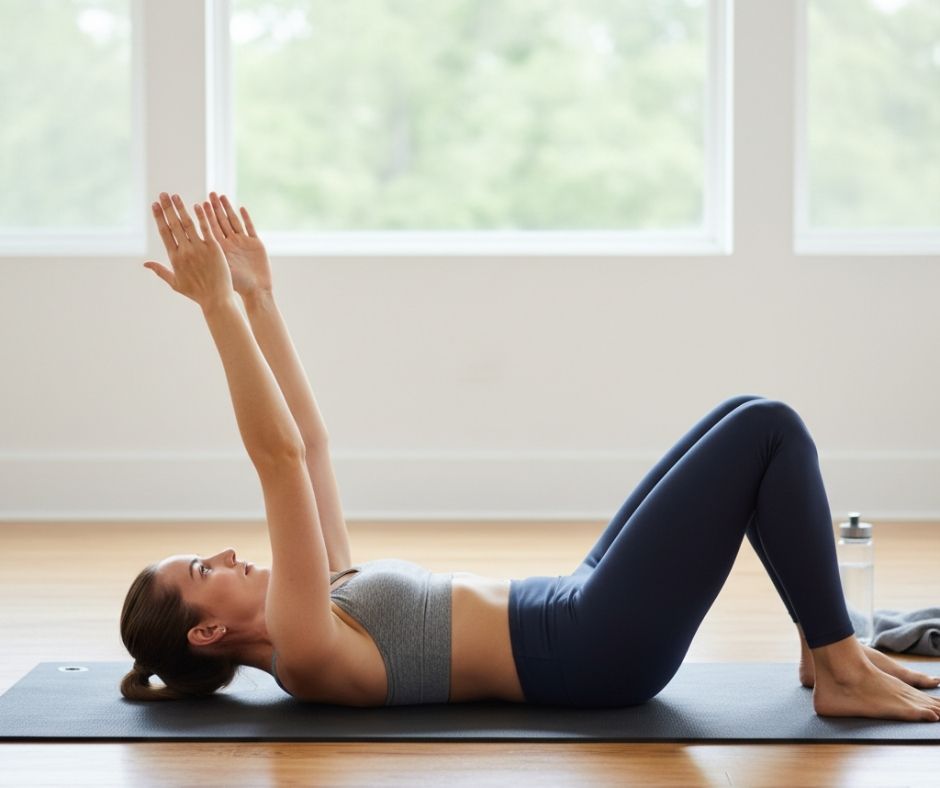
Dead Bug (3 sets of 12 reps)
- Watch this video for an example.
- Lie on your back with arms extended toward the ceiling and knees bent at 90 degrees.
- Lower your right arm and left leg slowly toward the floor while keeping your lower back pressed into the ground.
- Return to the center and switch sides.
- Move with control, not speed.
Why it helps: A strong, stable core reduces unnecessary movement and keeps you streamlined. Stability in your midsection translates directly to steadier trim, calmer motion, and less wasted energy underwater.
3. Balance + Proprioception (7 minutes)
Buoyancy training and control is all about small, subtle shifts. Anxiety often triggers overcorrection with big fin kicks, sudden arm movements, or jerky adjustments that only make things worse. Balance and proprioception training on land teaches your body to respond calmly to minor changes. These drills sharpen your awareness of your body’s position in space and how to move with control. When you transfer that awareness to diving, your corrections become smooth and minimal, which keeps buoyancy steady and anxiety low.
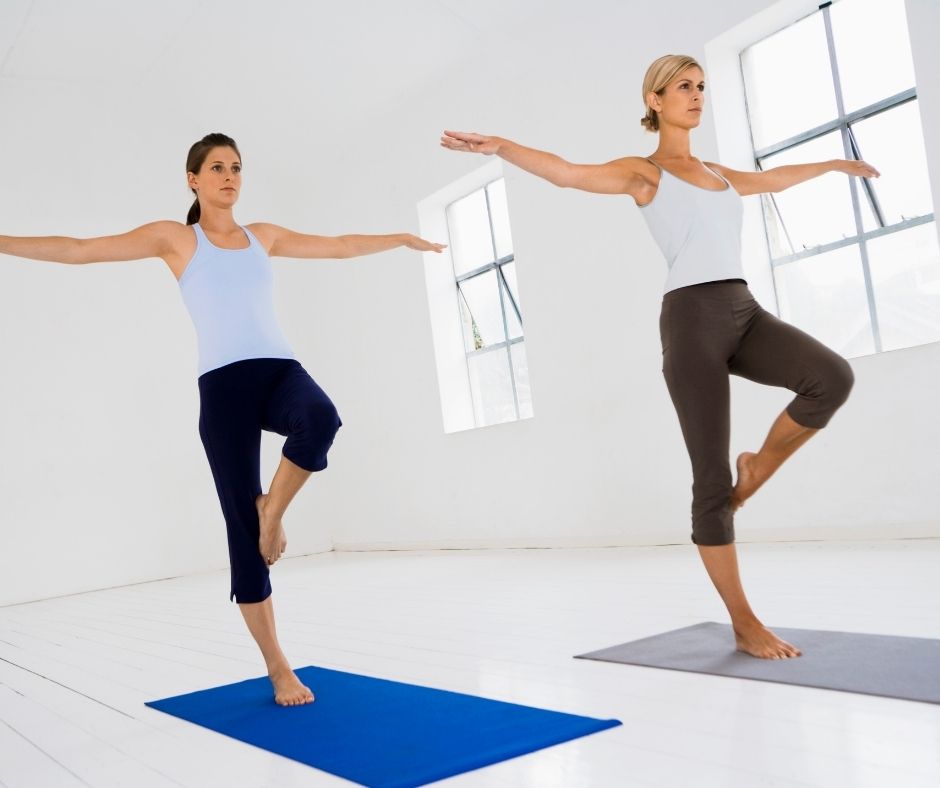
Single-Leg Balance (2 sets of 30 seconds each leg, eyes open → eyes closed)
- Progress to eyes closed for an added challenge.
- Stand tall with one foot lifted a few inches off the ground.
Keep your standing leg slightly bent, not locked. - Hold steady with eyes open first.
Stability Ball Rollouts (2 sets of 12 reps)
- Maintain control throughout the movement.
- Kneel on a mat with your forearms resting on a stability ball.
- Slowly roll the ball forward, extending your body while keeping your core engaged.
- Pause briefly, then roll back to the starting position.
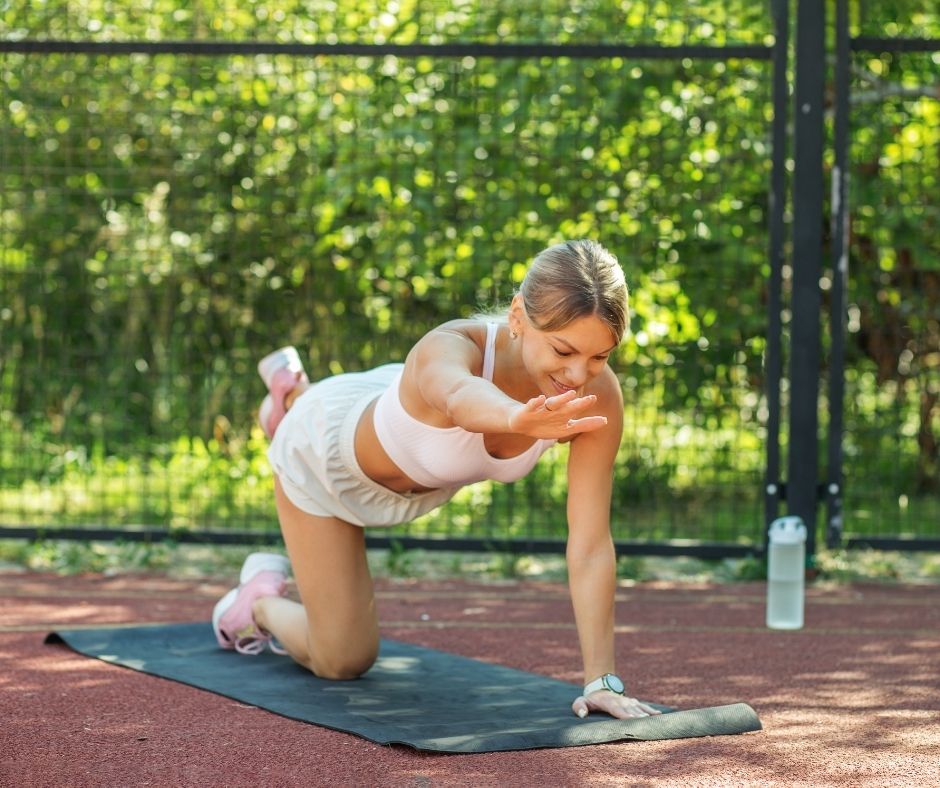
Bird Dog (2 sets of 12 reps each side)
- Watch this video for an example.
- Begin on your hands and knees with a neutral spine.
- Extend your right arm forward and your left leg back simultaneously.
- Hold for a moment, keeping your hips and shoulders level.
- Return to the center and switch sides.
- Move slowly and with control.
Why it helps: Anxiety can lead to overcorrection; these drills build body awareness, keeping your movements subtle and efficient.
4. Visualization (3–5 minutes)
The mind is a powerful training ground. Visualization helps you master buoyancy training before entering the water. By picturing yourself hovering calmly, using breath to rise and fall with control, and staying relaxed in your body, you create a mental script for success. For divers who carry anxiety, this is especially effective because it replaces “what if I panic?” thoughts with practiced images of calm and control. Over time, your nervous system learns to follow that pattern, making it easier to stay steady in real dives.
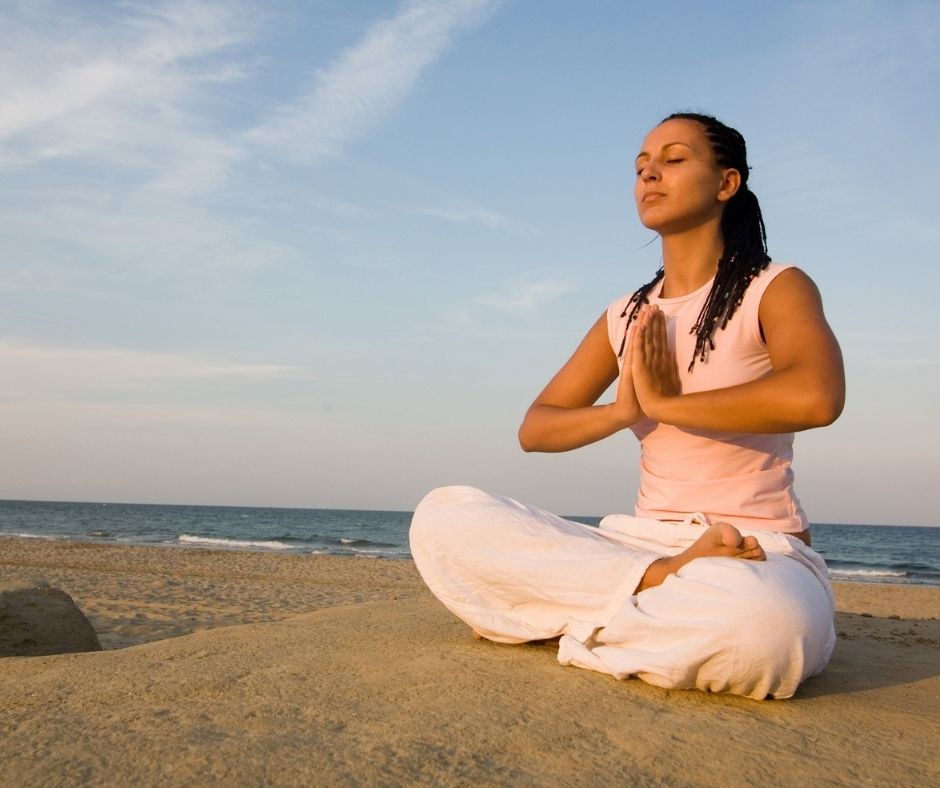
- Settle In: Find a quiet spot and sit comfortably or lie down. Close your eyes and take a few slow breaths to settle in.
- Descent Visualization: Picture yourself gearing up, feeling calm and prepared. Imagine entering the water and slowly descending to approximately 10 meters.
- Neutral Hover: See yourself hovering in neutral buoyancy. Notice the sensation of being weightless, suspended in the water column.
- Breath Focus: Imagine a deep, slow inhale that gently lifts you a few centimeters. Then picture a long, smooth exhale that brings you back down in control. Repeat this cycle, matching your breath to the imagined shifts in buoyancy.
- Sensory Detail: See the light filtering through the water, hear the rhythm of bubbles, feel the water moving past your skin.
- Redirecting Fear: Each time your mind wanders to fear or “what if,” gently bring it back to the image of calm, steady control. Continue this for 3–5 minutes.
Why it helps: Visualization helps retrain anxious thought patterns into confident responses. The more you practice, the more your mind and body default to calm steadiness instead of fear when you’re actually in the water.
Final Thoughts
Mastering buoyancy is not just about technique.
It is breath, awareness, trust, and the quiet steadiness that builds every time you show up for yourself.
These land-based drills create the foundation for calm, controlled movement so that when you enter the water, your body already knows how to soften, balance, and respond. Less fight. More flow. More ease.
If buoyancy training feels inconsistent or overwhelming, you do not have to figure it out alone. I offer online somatic coaching that supports buoyancy, breath, and nervous system regulation so you arrive at your dives more grounded, aware, and confident before you ever enter the water.
You can also practice and integrate these skills with me as your instructor and guide on Rise & Dive group dive trips, where repetition, support, and real-world experience allow buoyancy and confidence to settle naturally over time.
Explore somatic coaching options here
See upcoming dive trips here
Rising with every breath,
Land-Based Buoyancy Training FAQs
Read on to get clear answers to common buoyancy training questions for scuba divers. Learn how breath control for diving affects buoyancy, which land-based buoyancy exercises improve neutral buoyancy, and how to reduce dive anxiety that interferes with scuba buoyancy control. This FAQ guide outlines simple, effective ways to improve scuba buoyancy on land so you can dive with greater calm, control, and confidence before you even enter the water.
How do I practice buoyancy training on land?
Start with breathwork, core exercises, balance training, and visualization. These build the physical and mental foundations of neutral buoyancy.
What exercises improve scuba buoyancy?
Planks, boat pose, dead bugs, stability ball rollouts, single leg balance, and bird dog all strengthen core stability and control.
Does anxiety affect buoyancy control in diving?
Yes. Anxiety shortens breath and increases tension, which destabilizes buoyancy. Breathwork and somatic practices help restore calm.
How does breath control impact buoyancy underwater?
A steady inhale creates lift. A long, steady exhale helps you settle. Consistent breathing creates consistent buoyancy.
What is the fastest way to improve buoyancy as a beginner diver?
Focus on breath control, build core strength, practice balance work, and train with a supportive instructor who understands both skill and nervous system regulation.
