
Skip to: 8 Steps | Final Tips | FAQs
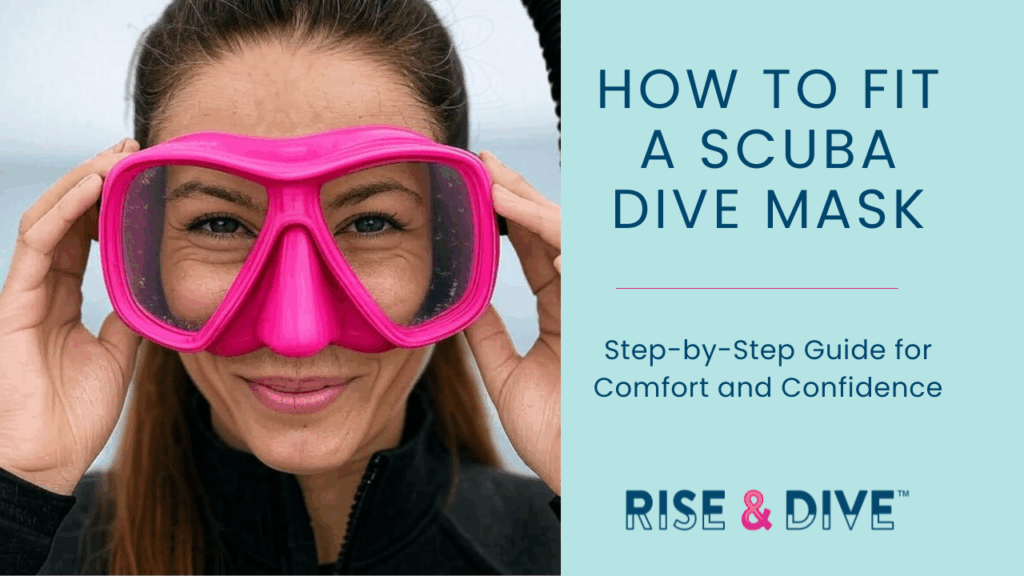
When I founded Rise & Dive, I set out on a mission to empower women through scuba diving. My work involves building calm, courage, and confidence for women underwater, and it all starts with the basics. Learning how to fit a scuba dive mask properly is one of those first skills that builds your trust in your gear and confidence in yourself.
After all, your mask is more than a piece of equipment. It is your lens and lifeline into a whole new world. If it leaks, fogs, or pinches, it can spark anxiety and even cut a dive short. When it fits properly, it keeps you steady, comfortable, and fully present for the adventure ahead.
The good news is that finding the right fit is not complicated. With a few simple steps, you can test a scuba mask, choose one that fits properly, and enjoy every dive with confidence.
Here’s how.

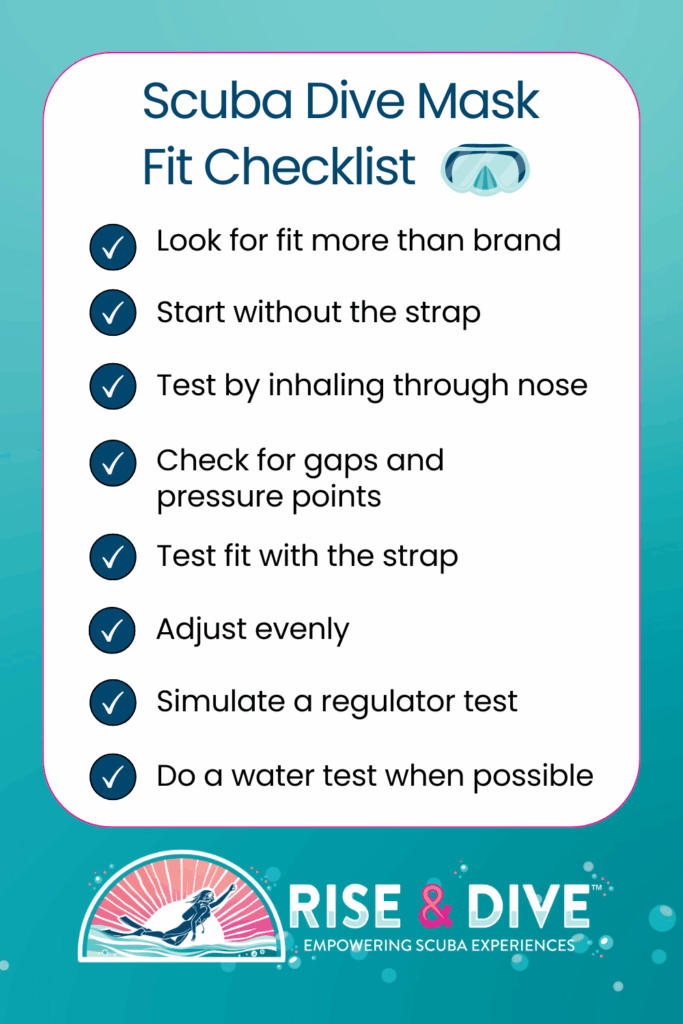
8 Steps to Fit a Scuba Dive Mask
1. Fit Matters More Than Brand
A high price or popular logo does not guarantee comfort. The best scuba mask is the one that seals well to your face, feels secure, and keeps you calm underwater. Always start with fit before thinking about style.
Here’s what you’re checking for:
- How the mask seals to your face
- A secure, comfortable fit regardless of brand
2. Start Without the Strap
Stand in front of a mirror. Hold the mask gently against your face without using the strap. Place it just below your hairline, evenly across your cheeks, and enclosing your nose. Make sure the silicone skirt, the soft edge that seals the mask to your skin, lies flat without folding or bending.
Here’s what you’re checking for:
- Skirt sits flat against your skin
- The mask isn’t resting on your eyebrows
- Width not too wide, leaving gaps, or too narrow, squeezing inward
- Nose pocket feels natural, not pinched
- Even contact across the forehead, cheeks, and nose
3. Inhale Lightly Through Your Nose
Take a small breath in through your nose and hold it for a moment. A properly fitted scuba mask should gently seal to your face and stay in place without requiring you to use your hands to keep it in place.
Here’s what you’re checking for:
- Mask stays in place with a light inhale through your nose
- Seal holds without too much suction
- No air leaks around the skirt
4. Check for Gaps and Pressure Points
Examine the skirt edges. Ensure there are no folds or gaps and no hair is caught underneath.
Here’s what you’re checking for:
- No gaps at cheeks, temples, or under the nose
- No painful pressure on forehead, nose bridge, or upper lip
- Even seal all the way around
5. Put the Strap On
Slip the strap over your head so it rests just above your ears. The strap only holds the mask in place. The skirt makes the watertight seal.
Here’s what you’re checking for:
- The strap sits comfortably above the ears
- Mask stays in place without shifting
- No pinching or hair pulling
6. Adjust Evenly, But Do Not Over-Tighten
Tighten the buckles just enough to keep the scuba mask steady. Over-tightening causes discomfort and leaks.
Here’s what you’re checking for:
- Even strap tension on both sides
- No deep marks or headaches
- Seal holds without excess pressure
7. Simulate a Regulator Test
Open your mouth slightly and run your tongue across the back of your top teeth. This mimics the jaw movement associated with using a regulator.
Here’s what you’re checking for:
- The mask stays sealed as your jaw moves
- No gaps forming along the skirt
- Comfort is maintained with the regulator in place
8. Do a Water Test If Possible
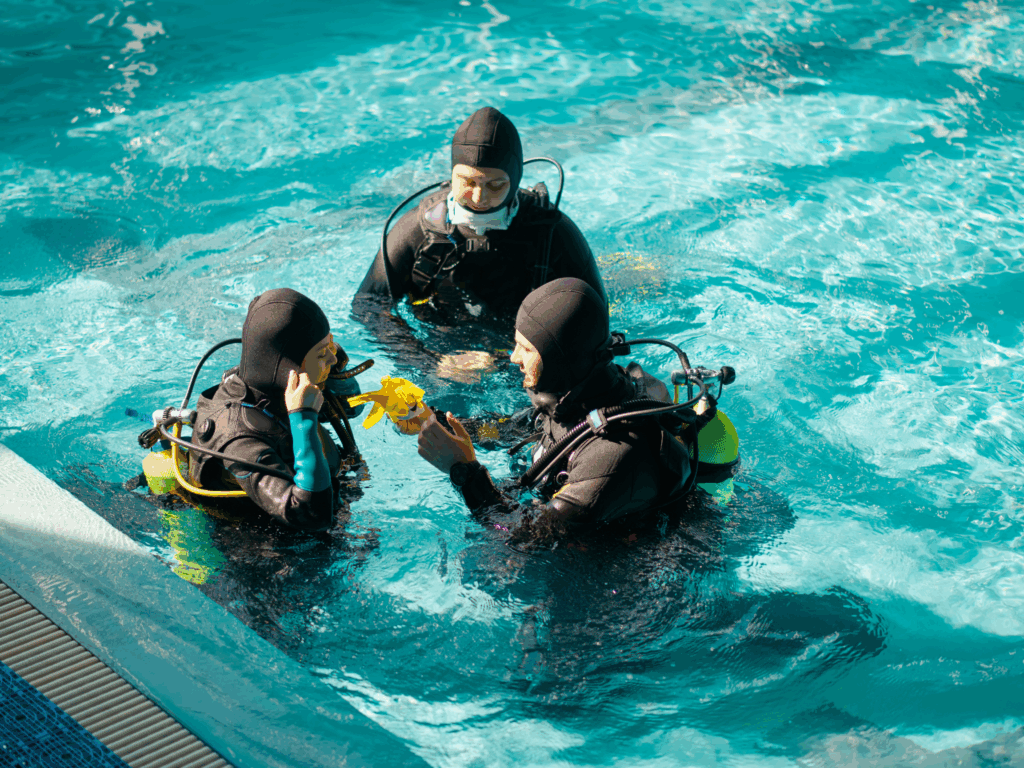
If you can, test the mask in a pool or shallow water.
Here’s what you’re checking for:
- The seal holds underwater
- Comfort when moving your head side to side
- No leaks during normal breathing
- Confidence before you buy
One Mask Does Not Fit All
Keep in mind that a mask that feels perfect in the shop may not always perform well in the water. The only way to know is by actually diving. Sometimes a mask that seemed flawless at first will leak, pinch, or cause headaches.
Unfortunately, I’ve been there. I once bought a single lens mask that felt great on land but caused pressure headaches underwater. For me, it was unusable, yet other divers love that exact style.
Every test teaches you more about your face shape, comfort preferences, and what style works best. Many divers end up with more than one mask before finding the right one. Each time you test a new mask, you add knowledge, and knowledge builds confidence.
Other Considerations When Buying a Scuba Mask
Beyond fit, a few extra features make a difference.
- Tempered glass lenses. Always opt for tempered glass, not plastic, for enhanced safety and durability.
- Anti-fog treatment. Even the best-fitted mask fogs without prep. Use anti-fog drops or a gentle baby shampoo rinse before dives.
- Snorkel mask versus scuba mask. Snorkel masks are not designed for depth or pressure changes. Always choose a mask made for scuba diving.
- Field of vision. Single-lens masks feel more open, while double-lens designs may fit smaller faces better.
Keeping these details in mind ensures you get not only the right fit but also the right performance for safe and enjoyable dives.
Final Tips Before You Dive In
- Fit matters more than brand. Trust what feels secure for your face.
- Avoid skirts that sit on your hairline or eyebrows.
- Make sure the nose pocket is comfortable and allows for equalization.
- If you have a smaller face, consider a low-volume mask that is easier to clear and equalize.
- Test in a pool if possible. What feels right on land may change underwater.
- Expect trial and error. Each attempt builds skill and confidence.
FAQs: Scuba Mask Fitting Guide
Click here to get straightforward answers to common scuba mask fitting questions. Learn how to check your mask seal, stop leaks, adjust strap tension, and choose the right style for your face. This quick guide helps you fix fit issues, boost comfort, and dive with confidence every time you hit the water.
How do I know if a scuba mask fits properly?
Hold the mask to your face without the strap and inhale lightly through your nose. If it seals and stays in place without hands and with no air leaks, it fits properly.
Why does my scuba mask leak?
Leaks often happen when hair is under the skirt, the skirt does not lie flat, the frame is too broad or narrow, or the strap is over-tightened. A correct fit and even strap tension can fix most leaks
How tight should a scuba mask strap be?
Snug, not tight. The skirt creates the seal. The strap only holds the mask in place. If you see deep strap marks or feel pressure points, loosen and rebalance both sides.
What is the best scuba mask for beginners?
The best mask is one that seals comfortably to your face. Many beginners with smaller faces prefer low-volume masks because they are easier to clear and equalize.
Should I buy a single-lens or a double-lens scuba mask?
Select the design that best suits your face. Single lens masks can feel more open. Double lens masks can suit some face shapes better. Test both and pick the one that seals and feels comfortable.
How can I test a scuba mask before buying?
Start with a dry fit. Hold the mask to your face without the strap and inhale lightly through your nose. If it seals and stays in place, proceed to check for gaps or pressure points around the skirt. When possible, do a short pool or shallow water test to confirm the seal holds while you move and breathe normally.
Want Personalized Help Fitting Your Mask
As a PADI instructor and trauma-informed empowerment coach, I specialize in helping women feel confident and calm in the water. The right scuba mask can make a significant difference in your mindset and dive experience.
If you are ready to feel secure underwater, consider private dive coaching and gear consultations. The more you understand how to fit a scuba dive mask and choose equipment that works for you, the more freedom you will feel on every dive.
Dive on,

PS: Start building confidence today. Download my free guide, 5 Tips to Overcome Dive Anxiety, and get simple tools to regulate your breathing and enjoy every dive. For community support, join the Women in Scuba Empowered WISE Facebook Group. And if adventure is calling, explore the Cozumel scuba diving group trips and plan your next dive.
