

The dive begins long before you enter the water.
How you travel to a destination, how you pace your arrival, and how intentionally you prepare all shape what happens during the dive itself. For women planning a multi-day dive trip, that connection between land and sea is worth taking seriously from the start.
Roatán dive trip planning is often simpler than divers expect. But simple does not mean thoughtless. When logistics are handled with calm intention, you arrive at the reef with your energy intact, a settled nervous system, and ready for your first dive.
This guide covers the practical logistics of traveling to Roatán for scuba diving, including timing, travel pacing, water conditions, gear, and why the Caribbean island is well-suited for multi-day dive itineraries.
Getting to Roatán, Honduras
Roatán is served by Juan Manuel Gálvez International Airport (RTB), a compact international airport located near Coxen Hole. Most travelers connect through major U.S. hubs such as Miami, Houston, Dallas, or Atlanta. For many divers, this means one connection and a total travel time that is very manageable compared to other international dive destinations.
The airport itself is straightforward. Immigration and baggage claim move efficiently, and transfers to West Bay or West End typically take 15 to 30 minutes, depending on traffic. English is widely spoken across the island, which simplifies navigation and reduces the cognitive load that can quietly drain energy before you’ve taken a single breath underwater.
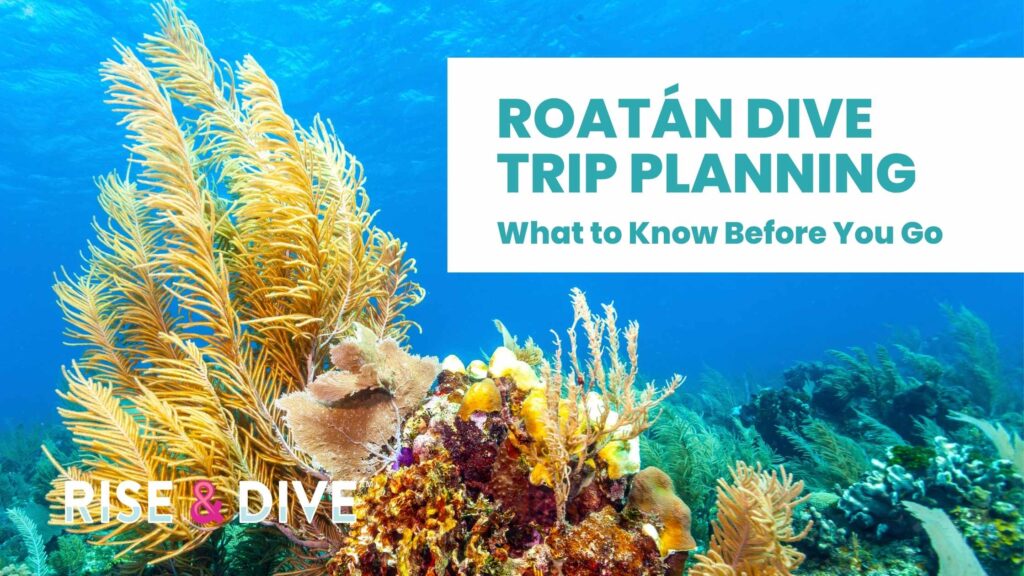
Roatán sits along the Mesoamerican Barrier Reef, the second-largest reef system in the world. Reaching it does not require the remote, multi-leg transit that many world-class reef systems demand. That accessibility is one reason Roatán consistently ranks among the most approachable Caribbean dive destinations for women planning structured dive travel.
If you’re evaluating whether the logistics of Roatán dive trip planning feel manageable for your experience level, you may also want to explore why Roatán is considered an accessible Caribbean dive destination.
What Roatán Scuba Travel Logistics Actually Feel Like
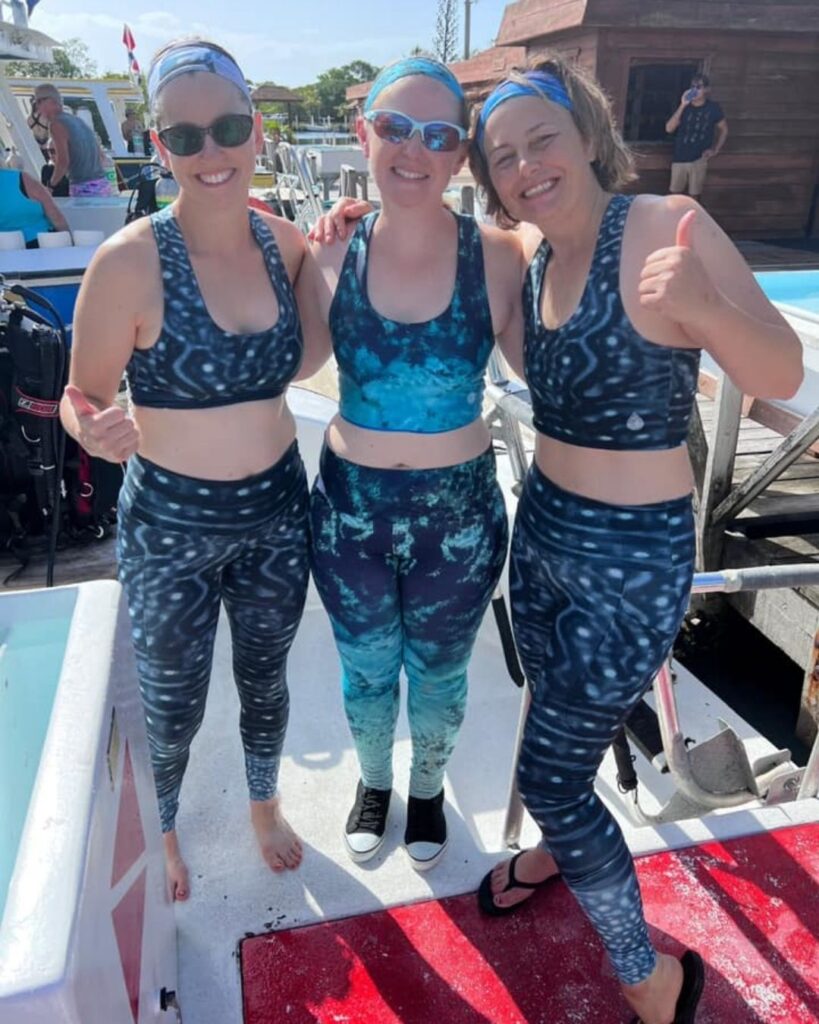
Even the best travel days place demands on the body. Early departures, layovers, airport walking, and shifts in routine can build quiet fatigue before your first dive begins. Most divers underestimate this.
Roatán’s pace helps ease that transition. Once on the island, the rhythm naturally encourages slowing down. Planning your arrival day with time to hydrate, unpack, and rest before diving starts is one of the best ways to take advantage of that island rhythm and get the most out of your trip.
After leading multiple dive weeks structured around intentional arrival pacing, I’ve found a consistent pattern: divers who arrive and rest before entering the water breathe more steadily, respond to buoyancy more easily, and carry genuine calm into their first dives rather than suppressed exhaustion.
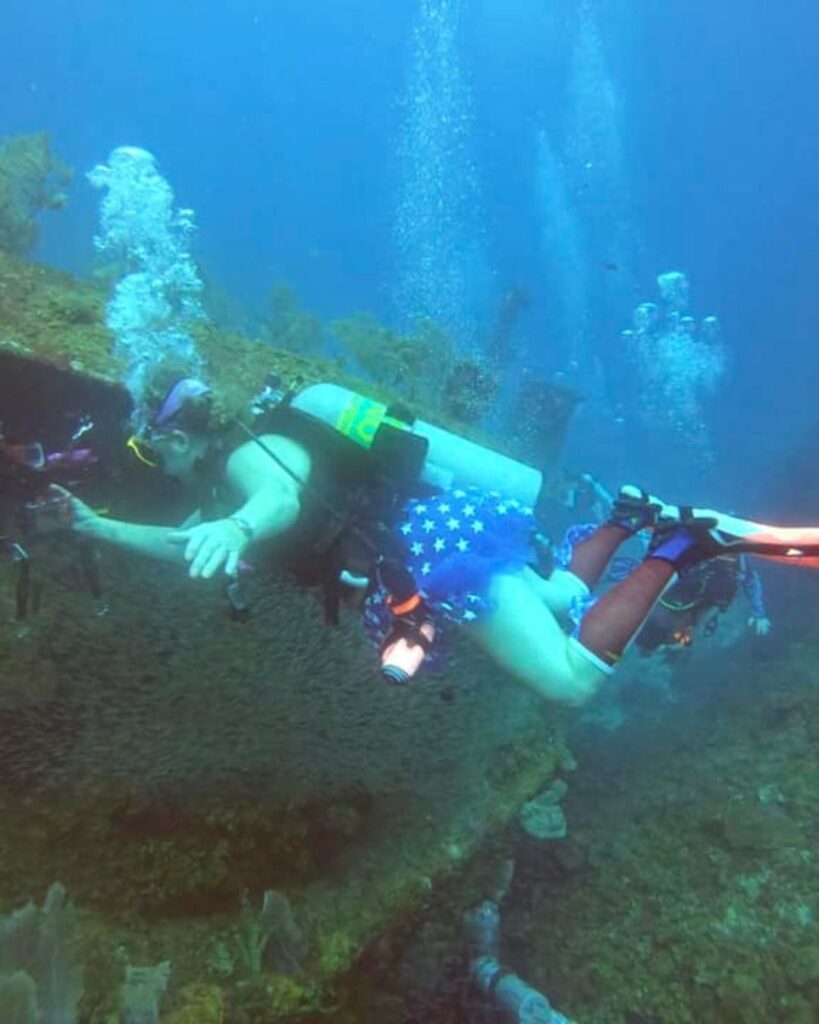
Roatán dive sites are accessed by short boat rides, which also helps conserve energy across a full week of diving. The combination of an accessible reef and short surface transits is one reason this destination works so well for multi-day itineraries built around women’s diving experience.
If you’re curious about how group structure influences what happens underwater, you can explore why small-group scuba diving changes the experience.
When to Travel
Roatán offers year-round diving. Late summer and early fall can bring brief tropical weather patterns, but they typically pass quickly, leaving warm water, strong visibility, and quieter reefs. Many divers appreciate those less-crowded windows.
Water temperatures generally range from the upper 70s to the low 80s Fahrenheit throughout the year. Visibility is consistently strong, particularly along the reef walls and outer sites.
There is no single best month. The right timing depends on your schedule, your comfort with seasonal variation, and whether you prefer peak season energy or quieter weeks on the reef. Divers who want a closer look at seasonal patterns can review the full guide on the best time of year to dive Roatán.
Water Temperature and Exposure Protection
Keep in mind that warm water does not eliminate heat loss across multiple dives.
Repeated dives, longer bottom times, and extended surface intervals can gradually reduce body warmth. Over several days, that cumulative effect shows up as fatigue more than a cold, and it can affect focus and breathing in ways that feel subtle until they don’t.
Layering is the most practical approach. A lightweight wetsuit paired with a rash guard, thermal vest, or hooded layer gives you flexibility as your body responds across the week. Choose exposure protection that prioritizes warmth, ease, and freedom of movement. When the body stays comfortable, your attention can stay focused on the reef.
Other Gear Considerations When Traveling
Roatán has a well-established dive infrastructure. Rental equipment is widely available, and most operations are experienced with traveling divers. That said, personal gear that directly affects fit, comfort, or buoyancy, such as a mask, dive computer, or exposure protection, is worth bringing if it’s yours and you trust it.
Gear choices that prioritize ease over complexity create a more sustainable experience across multiple days. Arrive light where you can. Bring what genuinely supports your diving.
Why Roatán Works for Multi-Day Dive Trips
Scuba diving places cumulative demands on the body, particularly across several consecutive days. Travel stress, disrupted sleep, dehydration, and overpacked schedules quietly erode the energy and focus that good diving requires.
Roatán’s accessible reef structure, short boat rides, and consistent conditions reduce those compounding pressures. When pacing and recovery are built into the itinerary rather than treated as afterthoughts, divers often find they can maintain steady comfort and clarity across an entire week underwater.
This balance between reef quality and logistical simplicity is one reason Roatán continues to attract women planning intentional, structured dive travel.
Roatán Dive Trip Planning: Before You Leave
As you begin your Roatán dive trip planning, here’s a summary of the most important practical steps that make a meaningful difference for your travel experience:
- Fly into RTB at Juan Manuel Gálvez International Airport and confirm your transfer to West Bay or West End in advance.
- Plan a light arrival day. Hydrate, unpack, and rest before your first dive.
- Layer your exposure protection. A wetsuit, rash guard, and thermal option give you flexibility across the week.
- Travel with essential personal gear only. Rentals are available and reliable on the island.
- Prioritize sleep before repetitive diving. Recovery happens on land, not underwater.
- Allow a proper surface interval before any departure flight. Build this into your itinerary, not around it.
Traveling with Intention
The divers who get the most out of Roatán are not necessarily the most experienced. They are the ones who arrive with a plan, pace themselves honestly, and give the reef the attention it deserves.
The Rise & Dive Roatán Dive Trip is structured around exactly this. Group size is kept small. Pacing is built in, not bolted on. I’m there diving alongside the group, which means real-time support underwater and a steady presence on land throughout the week.
These trips are inspired by the Women In Scuba Empowered (WISE) community and are open to all women who want to dive in Roatán with genuine support. If that sounds like the right way to experience this reef, you can learn more about our Roatán Dive Retreat and how the small group format is structured.
With calm and confidence,

Frequently Asked Questions About Roatán Trip Planning
What airport do you fly into for Roatán scuba diving?
Divers fly into Juan Manuel Gálvez International Airport (RTB) on Roatán. The airport is located near Coxen Hole, and transfers to West Bay and West End typically take 15 to 30 minutes.
What is the best time of year for Roatán dive trip planning?
Roatán offers year-round diving with warm water and strong visibility in most seasons. The best timing depends on your schedule and whether you prefer busier peak windows or quieter periods on the reef. Seasonal shifts in rainfall and wind are brief and generally manageable.
How warm is the water in Roatán?
Water temperatures generally range from the upper 70s to the low 80s Fahrenheit year-round. While comfortable, repeated dives across multiple days can lead to gradual heat loss. Layered exposure protection helps maintain warmth and energy across the week.
Is Roatán a good Caribbean dive trip for women?
Yes. Roatán’s accessible reef structure, short boat rides, and consistent conditions make it well-suited for women planning intentional multi-day dive travel. When pacing and surface intervals are respected, the island supports both confidence-building and genuine underwater exploration.
How long should you stay in Roatán for scuba diving?
Most divers stay between five and seven days. This allows enough time to settle into the reef’s rhythm, complete multiple dive days, and maintain proper surface intervals before departure flights.
