

If you dive for long enough, you’ll eventually be paired with a random dive buddy. Being assigned a stranger as a dive buddy is often part of the scuba diving experience, but it can cause anxiety, especially for newer or less experienced divers.
For many women divers in particular, the buddy setup raises questions: Will I feel supported? Will my needs be heard? Will I be safe? The good news: with the right scuba diving buddy tips, a focus on safe scuba diving practices, and an emphasis on building dive confidence, you can transform a stranger into a strong partner.
The best way to be confident in your diving with a random dive buddy is to ask clear pre-dive questions, agree on safety protocols, and communicate openly. Below are the top questions to ask a new dive buddy and some strategies to help manage any dive anxiety you may have to help you dive confidently with anyone.
Skip to: Questions to Ask | Communicate Needs | Buddy Check | Checklist | FAQs | Build Confidence
What Questions Should You Ask Your Dive Buddy?
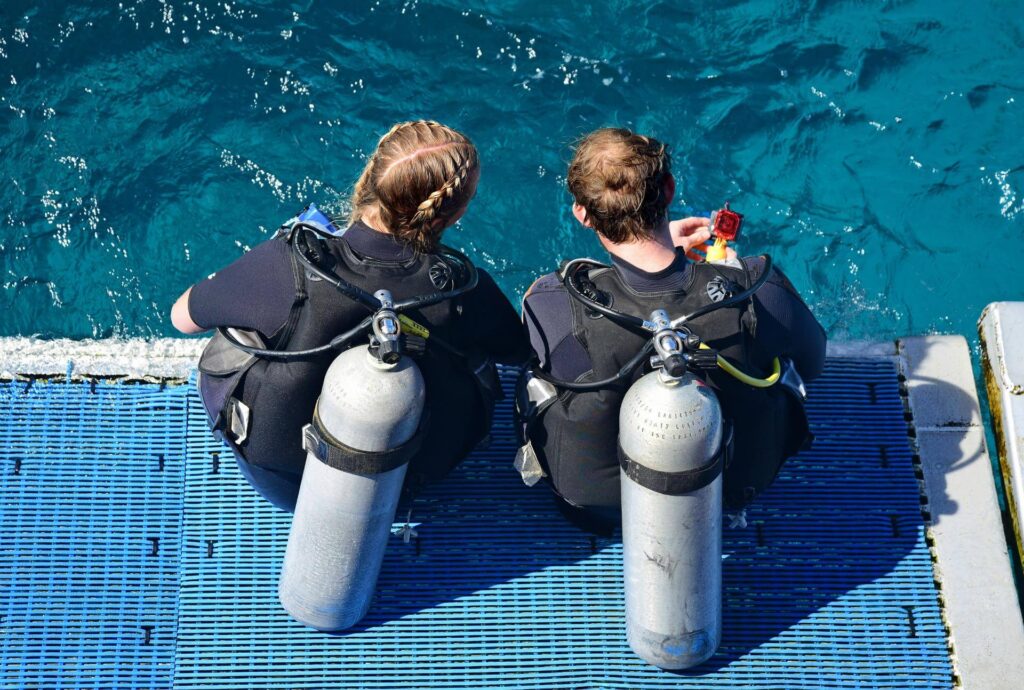
1. What’s your experience level, and how many dives have you done recently?
This helps set expectations and also allows you to adjust support if necessary.
2. When was your last dive?
A buddy who hasn’t been diving recently may appreciate extra patience or reminders.
3. What kind of dive pace do you enjoy—slow and exploratory, or more adventurous?
It is helpful to discuss your rhythm and your buddy’s, and to ensure you both have similar expectations, as this helps reduce frustration underwater.
4. Is there anything that makes you nervous while diving?
Normalizing this conversation lets you both share openly and ease anxiety. For more strategies, see my post on tips to overcome dive anxiety.
5. What hand signals do you use for air, okay, problem, etc.?
Not all divers use the same signals – some may vary depending on how they were taught or how they utilize them. Ensuring that you are both on the same page and using the same signals for basic communication not only ensures that you’ll both be safe, but there won’t be any confusion once you get underwater.
6. Do you have any gear quirks I should know about?
Check for differences in inflators, SPGs, or regulators. Also, clarify air-sharing procedures:
- Are you a primary or secondary donor?
- How will you expect me to share?
👉 Want to feel confident no matter who you dive with?
Work with me through private scuba coaching to build the dive confidence and communication skills you need to enjoy every dive.
7. If we get separated, what’s your protocol?
Most divers use the “1-minute search, then surface” method. Confirm your plan together.
8. Would you be open to checking in more often during the dive?
This is a reasonable request for someone nervous to ensure a connection. Agree on how often you will check in.
9. Can we agree to descend and ascend together at a slow pace?
Agreeing to a shared pacing prevents stress on equalization and can help everyone remain calm.
10. Do you have any dive goals today?
Whether it’s photography, fish identification, or simply exploring, aligning goals fosters a team approach and ensures you are both on the same page for the overall experience.
How Do You Communicate Your Own Needs?
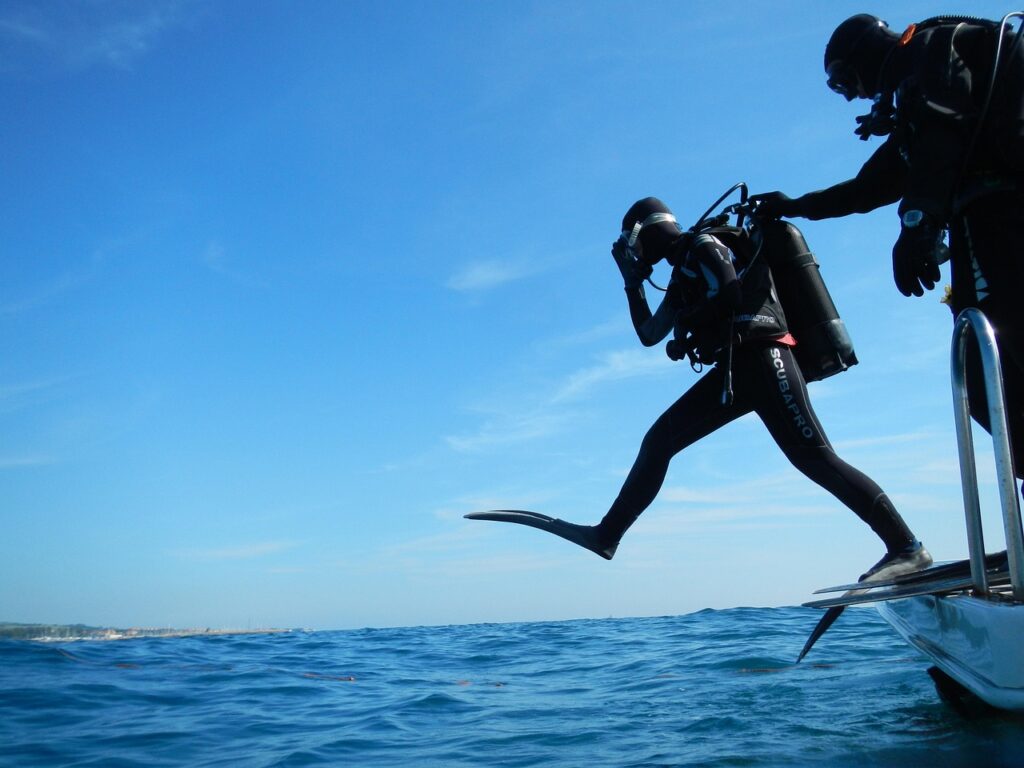
Clear and direct communication is one of the most crucial aspects to maintain for a strong dive partnership. Sharing your needs, preferences, and expectations up front not only minimizes confusion, it also builds trust and supports both divers’ safety. Being honest helps prevent misunderstandings and makes the dive smoother and more enjoyable for both of you.
For example, you might say:
- “Just a heads up, I’ve had some dive anxiety in the past, so I’d like to do an extra buddy check and take the descent slowly. I hope that’s okay with you.”
- “I’m still getting comfortable with my buoyancy, so if I seem distracted, that’s why. A quick signal check now and then would help me feel more confident.”
- “I sometimes use more air than average, so I’ll keep you updated on my pressure. If I signal early, don’t worry—it’s just me being cautious.”
Chances are, your buddy will welcome your honesty and feel relieved that you are proactive. This kind of openness usually encourages them to share their own preferences or concerns too, creating a stronger partnership.
When in doubt, remember: communicating your needs doesn’t make you look weak. It makes you look responsible, self-aware, and committed to safe, enjoyable diving.
What Is a Buddy Check in Scuba Diving?
A buddy check in scuba diving is a step-by-step, PADI-recommended safety routine where you and your partner inspect each other’s gear before entering the water. Performing a buddy check is one of the most important scuba diving safety tips. This sequence is remembered with the acronym BWRAF, and it covers:
- Buoyancy – test inflator and deflator.
- Weights – confirm weights are secure and releasable.
- Releases – check BCD clips and straps.
- Air – confirm regulator function and air pressure.
- Final OK – quick overall check and signal readiness.
Dive Buddy Checklist (Save for Your Next Dive)

Scuba Diving Buddy Tips: Frequently Asked Questions
Got more questions about diving with a random buddy? Click below to see the answers to the most common ones. 👇
What is the BWRAF acronym in scuba diving?
BWRAF stands for Buoyancy, Weights, Releases, Air, and Final OK. It’s the standard sequence for performing a buddy check before a dive and one of the most important scuba diving safety tips worldwide.
What questions should I ask my scuba diving buddy before a dive?
Key questions include: What’s your experience level? When was your last dive? What hand signals do you use? How do you handle air-sharing? What’s your lost buddy procedure?
How can I feel confident diving with a random buddy?
Confidence comes from preparation and communication. Ask clear questions, share your own needs calmly, and agree on pacing, goals, and signals.
Do I always need a dive buddy in scuba diving?
Yes. Most dive operators require pairs for safety, regardless of experience level. Even advanced divers benefit from a partner for emergencies and navigation.
How do I politely ask a dive buddy for what I need?
Be direct but kind. For example: “I sometimes feel anxious, so could we check in more often underwater?” Framing it as a team effort usually elicits a positive response.
Is scuba diving safe for beginners with a random buddy?
Yes, as long as beginners follow scuba diving safety tips and stay within their training limits. Review signals, do a thorough buddy check, and communicate openly. If in doubt, let the dive operator know you’d prefer an experienced partner.
What is the safest way to dive with someone I don’t know?
Review signals, confirm air sharing, agree on the lost buddy protocol, and keep the dive within your training and comfort level.
What should I do if my dive buddy doesn’t pay attention?
Signal them clearly and slow the pace. If it continues, abort the dive calmly and surface together.
How do buddy checks improve scuba diving safety?
They catch problems like low air, loose straps, or misrouted hoses before you enter the water.
What if my dive buddy runs out of air?
That’s why you agree on air-sharing procedures first. Find out whether they donate their primary or secondary regulator.
How Can You Build Dive Confidence with Any Buddy?
Getting paired with a random buddy doesn’t have to mean going into the dive feeling anxious. With a bit of preparation and early dialogue, you can build trust and teamwork that will follow you into the water. Think of that pre-dive chat as more than a checklist. It is your chance to set the energy for the dive. A clear, open conversation builds safety, strengthens connection, and helps both of you feel supported. No matter who you are paired with, a little communication goes a long way toward turning a stranger into a reliable dive buddy.
Ready to feel more confident, no matter who you dive with? You can start by subscribing to Rise & Dive updates for scuba tips and advice, connecting with other women through the Women in Scuba Empowered (WISE) Facebook Group, and exploring private coaching or upcoming group dive trips to put these skills into practice.
With courage and bubbles,